Consecration prayer to our lady of sorrows: essential 5-step guide
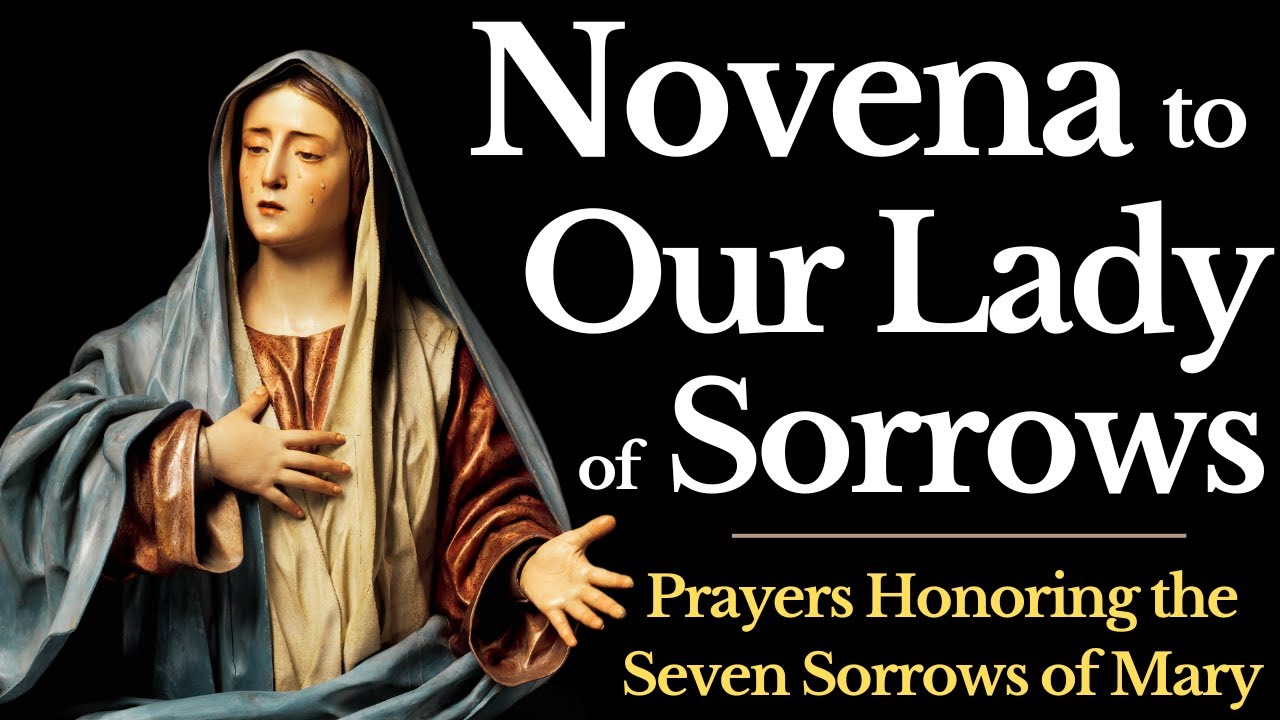
consecration prayer to our lady of sorrows
A consecration prayer to our lady of sorrows is a heartfelt act of entrustment to Mary under her ancient title “Mater Dolorosa” — Mother of Sorrows. Rooted in Scripture and tradition, this devotion helps believers unite their own challenges with the compassion Mary showed as she stood by Jesus throughout His Passion. Whether you are seeking deeper faith, comfort in grief, or a more Christ-centred life, the consecration prayer to our lady of sorrows offers a gentle, structured way to pray with purpose and hope.
In this guide, you will find the background and meaning of the devotion, practical steps to begin, a simple example of the consecration prayer to our lady of sorrows, and clear answers to common questions. Written in accessible language, it will support you whether you are exploring Marian devotion for the first time or wishing to renew a longstanding practice.
What is a consecration prayer to our lady of sorrows?
To “consecrate” yourself is to set yourself apart for God, promising to live faithfully and asking for grace to do so. A consecration prayer to our lady of sorrows specifically involves entrusting your life to Mary as the Mother who suffered with Christ. By placing your joys, wounds, and intentions in her care, you are asking to share in her steadfast love for Jesus and her compassionate strength in the face of suffering.
This form of Marian devotion is not an end in itself. Rather, it is a pathway to Christ. The consecration prayer to our lady of sorrows expresses confidence that Mary leads us more deeply into the mystery of her Son’s Cross and Resurrection. It is a declaration that you wish to accompany Jesus with the same fidelity Mary showed at Calvary.


The story and symbolism behind Our Lady of Sorrows
“Our Lady of Sorrows” highlights Mary’s unique closeness to Jesus in His Passion and her maternal empathy for all who suffer. The Church traditionally remembers her sorrows in the “Seven Dolours,” a devotional framework that draws on key Scripture passages. The Feast of Our Lady of Sorrows is celebrated on 15 September in the Western liturgical calendar, the day after the Feast of the Exaltation of the Holy Cross, underscoring Mary’s intimate connection to Christ’s saving work. For a succinct historical overview, see the encyclopaedic article on Our Lady of Sorrows and the detailed Catholic Encyclopedia entry on the Seven Dolours.
The Seven Sorrows of Mary
- Simeon’s prophecy that a sword would pierce Mary’s soul (Luke 2:34–35).
- The flight into Egypt to escape Herod’s violence (Matthew 2:13–15).
- The loss of the Child Jesus in the Temple for three days (Luke 2:41–51).
- Mary encountering Jesus on the way to Calvary (traditional, cf. Luke 23:27–31).
- The Crucifixion and Death of Jesus (John 19:25–30).
- Jesus taken down from the Cross and laid in His Mother’s arms (traditional, cf. John 19:38–40).
- The burial of Jesus (John 19:41–42).
These scenes are not simply episodes of sadness; they reveal the depth of Mary’s faith, her trust in God’s promises, and her unwavering presence with Christ. Praying a consecration prayer to our lady of sorrows places your own trials in the light of these Gospel moments so that, like Mary, you can walk through them with faith and charity.
Why consider a consecration prayer to our lady of sorrows?
There are many reasons people turn to this devotion. Some are grieving a loss or carrying a long-standing burden; others want to grow in compassion and patience. A consecration prayer to our lady of sorrows can help you:
- Deepen your relationship with Jesus by reflecting on His Passion through Mary’s eyes.
- Find comfort and solidarity when facing illness, anxiety, or uncertainty.
- Develop virtues such as courage, forgiveness, and perseverance.
- Pray more intentionally for others who are suffering.
Crucially, the consecration prayer to our lady of sorrows is not a magic formula. It is a sincere commitment to live as a disciple, supported by Mary’s maternal intercession, and to allow God’s grace to transform daily life.
How to pray the consecration prayer to our lady of sorrows
If you are new to this devotion, start small and simple. The steps below provide a practical way to prepare, pray, and sustain your consecration. Adapt the rhythm to your circumstances; what matters most is sincerity of heart.
Preparation and mindset
- Choose a quiet place and time when you can focus without interruptions.
- Have a Bible to hand. Reading one of the Passion narratives (e.g., John 19) helps centre your mind on Christ.
- Bring your intentions: the people, situations, or struggles you wish to place under Mary’s care.
Simple step-by-step approach
- Begin with the Sign of the Cross and a brief pause for silence.
- Read a Scripture passage related to one of the Seven Sorrows (for example, John 19:25–27).
- Offer a few words in your own language about why you are praying a consecration prayer to our lady of sorrows today.
- Pray the actual consecration prayer to our lady of sorrows (you will find a sample below). Say it slowly and meaningfully.
- Entrust your specific intentions to Mary, asking her to carry them to Jesus and to help you respond with faith.
- Conclude with an Our Father, Hail Mary, and Glory Be, or any familiar prayers you prefer.
- Carry a short phrase with you through the day, such as, “Our Lady of Sorrows, teach me to remain with Christ.”
Using devotional aids
Some people also pray the Chaplet (or “Rosary”) of the Seven Sorrows, a rosary-like devotion developed by the Servite Order. If you would like a structured outline for the chaplet, see this clear guide: how to pray the Seven Sorrows Rosary (EWTN). The chaplet can be prayed alongside your consecration or as a separate practice during Lent or in times of particular need.
A simple consecration prayer to our lady of sorrows
The wording below is a simple, original example that you can adapt. Feel free to add your own intentions or to change the language so that it reflects your situation. The essence of any consecration prayer to our lady of sorrows is trust in God, love for Christ, and willingness to be guided by Mary’s example.
O Mary, Our Lady of Sorrows, Mother most faithful,
I come before you with confidence and humility.
At the foot of the Cross you stood with steadfast love;
stand now with me in my need.
I consecrate myself to your maternal care,
placing my life, my family, and my burdens into your hands.
Teach me to remain with Jesus in every trial,
to forgive as He forgave, to love as He loved.
Through your Seven Sorrows, lead me more deeply
into the mystery of His Passion and Resurrection.
Strengthen my faith in times of darkness,
my hope in times of confusion,
and my charity towards all who suffer.
O Mother, obtain for me the grace
to live each day for the glory of God.
May this consecration prayer to our lady of sorrows
draw me closer to your Son, my Saviour and Lord,
who lives and reigns for ever and ever. Amen.
If you prefer a more formal wording, you can consult traditional texts used in the Servite tradition or local parish booklets. The USCCB’s summary of the Seven Sorrows offers a helpful scriptural framework to accompany your prayer.
When and how often to renew the consecration
Many people make a consecration once and then renew it monthly, on Fridays (in remembrance of the Passion), during Holy Week, or on 15 September, the memorial of Our Lady of Sorrows. You might also return to the consecration prayer to our lady of sorrows whenever you face a difficult decision or begin a new chapter in life. Renewal is less about repeating words and more about deepening the intention behind them.
Fitting the devotion into everyday life
To keep your consecration alive, integrate small practices into your day. Place an image of the Mater Dolorosa by your bedside or desk; read one Gospel scene related to Mary’s sorrows each week; or pray a simple aspiration like, “Our Lady of Sorrows, be my strength.” Over time, the consecration prayer to our lady of sorrows becomes a lens through which you meet both joyful and difficult moments with calm, faith, and compassion.
If you are exploring how Mary and the saints fit within Christian belief and practice, you may also find it useful to compare traditions. For instance, the veneration of Mary has both shared and distinct expressions across Christian communities. For a concise overview from a related perspective, see this introduction to the Eastern Orthodox Church. And if you are interested in saintly intercession more broadly, the role of angels such as Michael the Archangel can offer a complementary understanding of how Christians seek help in prayer.
Common mistakes to avoid
- Treating devotion as superstition: A consecration is not a shortcut to control outcomes. It is a sincere offering of yourself to God through Mary, asking for grace to live faithfully.
- Overlooking Scripture: Anchor your prayer in the Bible. Reading the Passion narratives or the Seven Sorrows passages keeps Christ at the centre.
- Neglecting daily conversion: The fruits of a consecration prayer to our lady of sorrows appear gradually as you practise forgiveness, patience, and service.
- Forgetting community: Consider sharing this devotion with a spouse, family member, or prayer group, especially around 15 September. Mutual support sustains good habits.
- Overcomplicating it: If a full chaplet feels daunting, start with a brief daily consecration and one Scripture verse. Consistency matters more than length.
Recommended external resources
- Historical background and symbolism of Our Lady of Sorrows — a concise overview with references.
- Catholic Encyclopedia: The Seven Dolours of the Blessed Virgin Mary — detailed historical and theological context.
- How to pray the Seven Sorrows Rosary (EWTN) — practical instructions and meditations.
- USCCB: The Seven Sorrows of the Blessed Virgin Mary — scriptural references suitable for personal or group prayer.
Frequently asked questions about consecration prayer to our lady of sorrows
Is a consecration prayer to our lady of sorrows only for Catholics?
It is a Catholic devotion, but many Christians appreciate its focus on Scripture and the Passion of Christ. If you are not Catholic, you can still reflect on the Seven Sorrows, read the relevant Gospel passages, and use the example prayer in a way that aligns with your beliefs. The emphasis is on growing closer to Jesus with Mary’s support.
Do I need a priest to make the consecration?
No. You can pray the consecration privately at home. However, a priest or spiritual director can offer helpful guidance, especially if you are integrating the consecration into a broader plan for spiritual growth. Parishes sometimes include the consecration on or near 15 September, which can be a meaningful community setting.
What is the difference between a consecration and a novena?
A consecration is an act of entrustment — a pledge of self-offering and a request for grace to live as a disciple. A novena is a prayer said over nine consecutive days for a particular intention. You can certainly prepare for a consecration prayer to our lady of sorrows by praying a nine-day novena focused on the Seven Sorrows.
Is the Seven Sorrows Chaplet necessary for this devotion?
No. The chaplet is a beautiful complement, not a requirement. The heart of a consecration prayer to our lady of sorrows is your personal commitment to follow Christ more closely and to let Mary teach you how to love in suffering. If the chaplet helps, include it; if not, keep to a simpler routine.
Will I see immediate changes in my life?
Most spiritual growth is gradual. The graces associated with a consecration prayer to our lady of sorrows often appear as increased patience, deeper compassion, and steadier hope — the quiet signs of a heart shaped by the Cross. Be patient and faithful, returning to the prayer regularly.
Can I consecrate my family or a loved one?
Yes. Many people use a family-centred form of the consecration, praying together and placing household concerns under Mary’s care. When doing so, respect each person’s freedom and invite participation rather than imposing it. You might renew the consecration on significant dates or anniversaries.
Conclusion on consecration prayer to our lady of sorrows
The consecration prayer to our lady of sorrows is a simple yet profound way to draw closer to Jesus through Mary’s steadfast companionship. By praying with the Seven Sorrows, you learn to meet life’s difficulties with the same courage, tenderness, and faith that Mary showed at the foot of the Cross.
Whether you follow a brief daily routine or add the Chaplet of the Seven Sorrows, consistency will help the consecration take root. Make space for Scripture, speak to God honestly, and renew your intentions in times of trial or new beginnings. In doing so, the consecration prayer to our lady of sorrows becomes a practical school of compassion — a way to love God and neighbour amidst the real challenges of everyday life.
If you are seeking a devotional practice that is both deeply biblical and pastorally consoling, consider beginning today. Ask for Mary’s guidance, trust in Christ’s mercy, and let your consecration prayer to our lady of sorrows lead you step by step into a more patient, hope-filled, and Christ-centred way of living.
