How to say a prayer to the virgin mary: 5 simple, essential steps
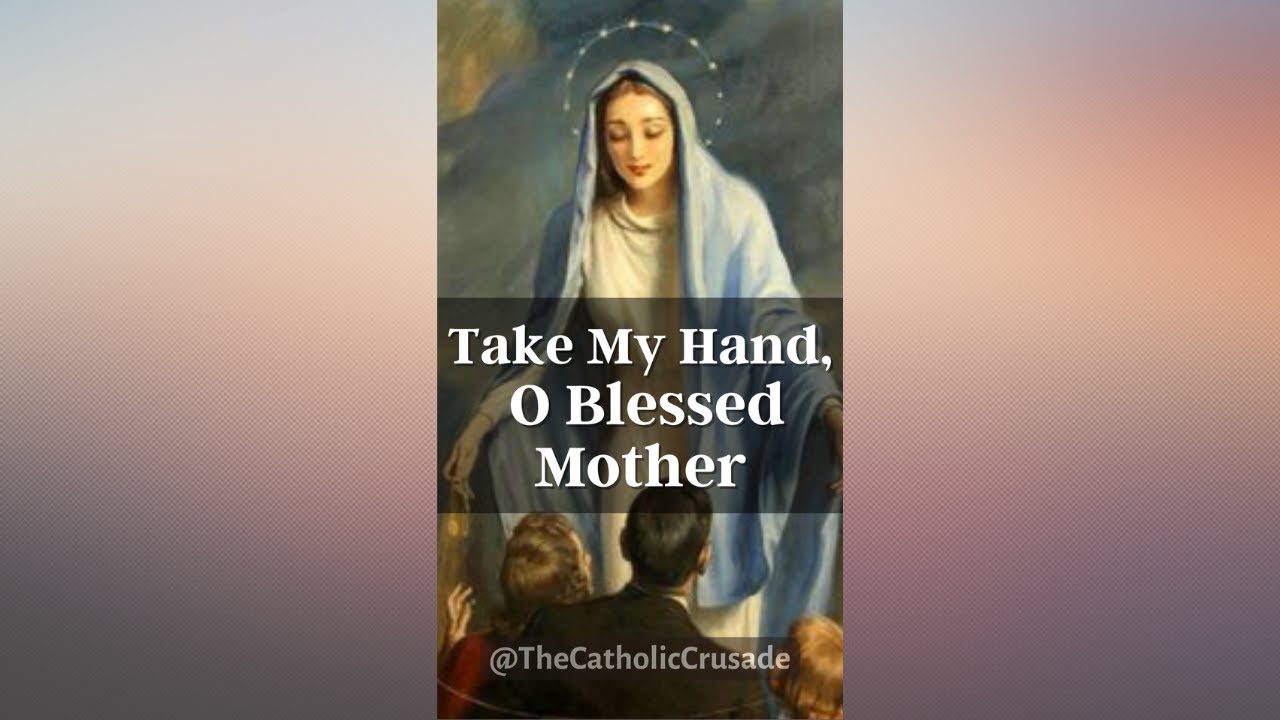
how to say a prayer to the virgin mary
If you have ever wondered how to say a prayer to the virgin mary but felt unsure where to begin, you are not alone. Many adults want to bring a Marian prayer into daily life yet worry about “doing it right”. This guide offers a friendly, step-by-step approach so you can pray with confidence, whether you come from a Catholic, Orthodox, Anglican, or simply curious background. We will explain what Marian prayer is, why it matters, and practical ways to make it meaningful.
At heart, learning how to say a prayer to the virgin mary is about asking the mother of Jesus to pray with you and for you. Christians across centuries have turned to her as a compassionate intercessor, a model of faithful discipleship, and a sign of hope. In the following sections, you will find foundations, clear steps, sample words, and common mistakes to avoid, so your prayer remains simple, sincere, and centred on Christ.
Why learning how to say a prayer to the virgin mary matters
For many believers, knowing how to say a prayer to the virgin mary opens a gentle, human doorway into the mystery of God. Mary is honoured—not worshipped—as the mother of the Saviour. In Catholic and Orthodox tradition, asking for her intercession is like asking a trusted friend to pray on your behalf. It complements, rather than replaces, your direct prayer to God. If you come from a Protestant background, you may approach Marian devotion with caution; this guide aims to be respectful, grounded in Scripture and tradition, and helpful regardless of denomination.
Praying with Mary can support you when words are hard to find, deepen your love for Jesus, and give a rhythm to your day. Whether you decide to learn the Hail Mary, say the Angelus at midday, or simply offer a short heartfelt request like “Mary, pray for me today”, the key is genuine intention rather than elaborate technique.


Foundations before you begin
What Marian prayer is—and is not
Marian prayer is a form of intercessory prayer. You speak to Mary as a mother in the family of the Church and ask her to intercede with her Son. In Catholic teaching, this is veneration (honour), not adoration (worship). If you want a concise explanation of this distinction, the Catechism of the Catholic Church summarises Marian devotion and its limits; see the section on Mary in the Catechism for authoritative guidance.
Orthodox Christians address Mary as the Theotokos—“God-bearer”—emphasising her role in the Incarnation. You will often hear the short prayer “Most Holy Theotokos, save us,” which is understood as “pray for us and help us” through Christ’s saving work, not as divine worship of Mary herself.
Key terms you may encounter
- Intercession: asking a saint (such as Mary) to pray to God on your behalf.
- Rosary: a meditative cycle of prayers focused on events in the lives of Jesus and Mary.
- Hail Mary: a well-known biblical prayer greeting Mary and asking for her prayers.
- Angelus: a short devotion recalling the Incarnation, often prayed morning, noon, and evening.
- Memorare: a traditional prayer seeking Mary’s quick help and protection.
Step-by-step: how to say a prayer to the virgin mary
1) Prepare a simple space
You do not need a special place to pray, but a quiet corner can help. Some people keep an icon or image of Mary with a candle or small cross. The aim is focus, not formality. If you are on a bus, at work, or walking, you can still pray. Learning how to say a prayer to the virgin mary is about intention, not location.
2) Calm your mind and set your intention
Take a gentle breath. Bring to mind why you are praying: a loved one’s illness, gratitude for a kindness, a decision you must make, or the desire to grow in love for Christ. If you are new to how to say a prayer to the virgin mary, setting a clear intention keeps your words simple and sincere.
3) Address Mary with respect
You might begin with a short greeting such as “Hail Mary”, “Mary, Mother of Jesus”, or “Holy Mother”. If it helps your focus, make the Sign of the Cross (if that is your custom) and say “In the name of the Father, and of the Son, and of the Holy Spirit. Amen.”
4) Speak your heart plainly
State your request in everyday language. For example: “Mary, please pray for my father’s healing,” or “Holy Mother, help me to trust God in this new job.” You can also add a line drawing you closer to Christ, such as “Lead me to love your Son more faithfully.”
5) Use a traditional prayer if you wish
Traditional prayers keep you anchored when emotions run high. Two beloved options are:
- Hail Mary: “Hail Mary, full of grace; the Lord is with thee. Blessed art thou amongst women, and blessed is the fruit of thy womb, Jesus. Holy Mary, Mother of God, pray for us sinners now and at the hour of our death. Amen.”
- Memorare: “Remember, O most gracious Virgin Mary, that never was it known that anyone who fled to thy protection, implored thy help, or sought thy intercession, was left unaided. Inspired by this confidence, I fly unto thee, O Virgin of virgins, my mother; to thee do I come, before thee I stand, sinful and sorrowful. O Mother of the Word Incarnate, despise not my petitions, but in thy mercy hear and answer me. Amen.”
If you want to learn the Rosary as a structured way to meditate on the life of Christ with Mary, the USCCB’s illustrated guide on how to pray the Rosary is clear and practical.
6) Express trust and gratitude
Close by thanking Mary for her prayers and placing your trust in God’s will. For example: “Thank you, Holy Mother, for praying for me. I entrust this situation to God, who loves us.”
7) End simply
You may finish with “Amen”, a short silence, or the Sign of the Cross. If you are practising how to say a prayer to the virgin mary daily, keep it brief and consistent; regularity strengthens prayer more than length.
Examples to help you learn how to say a prayer to the virgin mary
A short daily request
“Mary, Mother of Jesus, pray for me today. Help me to listen to God, to be patient, and to serve others. Lead me closer to your Son. Amen.” This is a friendly, simple way to practise how to say a prayer to the virgin mary each morning.
Praying for someone who is ill
“Holy Mary, I place [Name] in your motherly care. Please intercede with your Son for healing, comfort, and peace. Be with our family and keep our hope in God strong. Amen.” This example shows how to say a prayer to the virgin mary that is heartfelt yet brief.
Before making a decision
“Blessed Mother, you listened to God with courage. Pray for me as I face this decision. Ask Jesus to grant me wisdom, humility, and trust. May I choose what most honours God and helps others. Amen.”
In times of anxiety
“Mary, you know what it is to worry for your child. Pray for me as I feel anxious. Help me to breathe, to remember God is near, and to act in love. Keep me under your protection. Amen.”
Using Scripture with your prayer
Praying with Scripture can enrich your conversation with Mary. Read the Magnificat (Luke 1:46–55), then say: “Mary, teach me to rejoice in God my Saviour as you did. Pray that I may trust His promises.” This is one of the most balanced ways to practise how to say a prayer to the virgin mary and keep it rooted in the Bible.
Different traditions and what they emphasise
Catholic approach
Catholics commonly use the Rosary, Hail Mary, Memorare, and the Angelus. Devotions vary by season (for example, special prayers in May and October). The Church encourages Marian devotion that always points to Christ and remains balanced; again, the Catechism’s teaching on Marian veneration is a reliable benchmark, as highlighted earlier in the official Catechism summary on Mary.
Orthodox approach
In the Orthodox Church, believers ask the Theotokos to intercede during liturgy and at home. Prayers may include the Akathist Hymn, short invocations, and the use of icons. To understand this emphasis, explore the Orthodox perspective on Mary as Theotokos via the Greek Orthodox Archdiocese: an introduction to the Theotokos.
Anglican perspective
Many Anglicans value Mary as a model disciple and use prayers like the Magnificat daily in Evening Prayer. Some Anglican communities pray the Rosary or the Angelus; others keep a quieter Marian devotion. The unifying theme is that any prayer to Mary should lead to deeper love for Jesus and lived charity.
Practical tips to deepen your prayer
Choose a time and stick to it
Regularity builds depth. A minute in the morning and a minute at night can transform your day. Keep a simple routine: a greeting, a request, an act of trust. If you are building the habit of how to say a prayer to the virgin mary, small and steady is better than grand but rare.
Link your request to Christ’s life
Try connecting your need to a Gospel scene: when anxious, think of the Annunciation; when sorrowful, the Cross; when thankful, the Visitation. This keeps your Marian prayer Christ-centred.
Write your own words
Composed prayers are helpful, but your own words give voice to the moment. Consider a prayer journal where you date entries and later note any changes, insights, or answered prayers.
Pray with others
Join a local group, online Rosary, or family circle. Praying aloud with another person can give reassurance and accountability while you learn how to say a prayer to the virgin mary.
Use gentle reminders
Set a daily phone reminder for noon to say the Angelus or a one-line invocation. Place a small image where you see it often—a visual nudge to pray amid a busy day.
Common mistakes when learning how to say a prayer to the virgin mary
Thinking Marian prayer replaces prayer to God
Marian devotion supports your relationship with the Holy Trinity; it never replaces it. After asking Mary’s prayers, speak to God directly as well. This balance is central to healthy practice of how to say a prayer to the virgin mary.
Treating prayer like a transaction
Prayer is not a bargain: “If I say this, I will get that.” Rather, it is relationship and trust. Ask boldly, but accept God’s timing and wisdom.
Rushing the words without the heart
Repetition can be soothing, but try not to mutter through the Hail Mary mindlessly. If your attention wanders, slow down, breathe, and focus on each phrase.
Forgetting Scripture
Keep your devotion anchored in the Bible. The Hail Mary itself is largely Scriptural: “Hail, full of grace” (Luke 1:28) and “Blessed are you among women, and blessed is the fruit of your womb” (Luke 1:42). If you want a quick reference, read an overview like Wikipedia’s article on the Hail Mary alongside your Bible to see the biblical foundations.
Avoiding community wisdom
If you are uncertain about wording, posture, or meaning, speak to a trusted priest, deacon, or mature Christian friend. Tradition offers tested wisdom that can guide your own practice of how to say a prayer to the virgin mary.
Linking Marian prayer to daily life
When you wake
Offer the day to God with Mary’s help: “Mary, pray that I may serve God faithfully today.”
Before meals
Add a short line after your usual grace: “Mary, thank you for your motherly care; pray for us.”
When facing conflict
“Holy Mother, teach me patience and gentleness. Pray that I may speak truth with love.”
At night
“Mary, I entrust this day to God. Pray for me as I rest, and for those who are suffering tonight.”
Discernment and conscience
Not every Christian will feel drawn to Marian devotion in the same way. That is fine. If you prefer to pray directly to God without intercession, do so with confidence. If your heart is drawn to ask Mary’s prayers, do that with balance and clear focus on Christ. The point is not to “collect devotions”, but to grow in love of God and neighbour. Holding this in mind will keep your approach to how to say a prayer to the virgin mary measured and peaceful.
Internal and external links for further understanding
If you are curious about how Marian devotion relates to broader Christian traditions, this overview of the Eastern Orthodox Church can offer helpful context. For those interested in understanding angelic intercession alongside Marian intercession, see this concise introduction to who is Michael the Archangel.
For more in-depth reading from established institutions, the Catechism’s section on Mary explains why the Church honours the Virgin without confusing veneration and worship. To learn a structured Marian devotion, the USCCB’s step-by-step guide to the Rosary is widely used and easy to follow. From the Orthodox perspective, the Greek Orthodox introduction to the Theotokos highlights Mary’s role in the Incarnation.
Recommended external resources
- Official Catechism summary on Mary and veneration — concise teaching on Marian devotion within Catholic doctrine.
- How to pray the Rosary (USCCB) — practical, illustrated instructions for beginners.
- The Theotokos in Orthodox Christianity — overview of Mary’s title and role in the Orthodox tradition.
- Background on the Hail Mary — quick reference on the text, history, and biblical roots.
Related articles
Frequently asked questions about how to say a prayer to the virgin mary
Is praying to Mary the same as worship?
No. In historic Christian teaching, worship (adoration) is given to God alone. Mary is honoured and asked for her prayers (veneration). Think of it as asking a trusted friend to pray for you, with the added confidence that she is close to Christ.
Do I need to learn set prayers to begin?
No. Set prayers like the Hail Mary and Memorare are helpful, but you can start with your own words. A simple “Mary, please pray for me in this situation” is a perfectly valid way to begin learning how to say a prayer to the virgin mary.
Can non-Catholics ask for Mary’s prayers?
Yes. While Catholics and Orthodox have the richest Marian traditions, many Anglicans and other Christians also value Mary’s intercession. Follow your conscience, and keep Christ at the centre.
How often should I pray with Mary?
As often as it helps you grow in faith, hope, and love. Many people find a minute in the morning and evening very effective. Others pray the Angelus at midday or a decade of the Rosary during a commute.
What if I feel nothing when I pray?
Feelings come and go; what matters is faithfulness. Keep your practice simple and regular. Over time, you may notice greater peace, clarity, or patience—even if each prayer feels ordinary.
Is the Rosary difficult to learn?
It can seem detailed at first, but it is essentially a meditative pattern. A printed guide or a reputable website makes it straightforward. Start with one decade (ten Hail Marys) and add more as you feel ready.
How do I keep prayer Christ-centred?
Link your requests to the life of Jesus, pray with Scripture (especially the Gospels), and end by speaking to God directly. If a practice distracts you from Christ, simplify it or seek advice.
Conclusion on how to say a prayer to the virgin mary
Learning how to say a prayer to the virgin mary is less about perfect words and more about a faithful habit of turning to a loving mother who leads you to her Son. Start simply: prepare a quiet moment, greet Mary with respect, speak your need plainly, and close with trust. Use time-tested prayers like the Hail Mary or Memorare when helpful, and let Scripture guide your imagination and intention.
Across traditions, the healthiest way to practise how to say a prayer to the virgin mary is to keep it Christ-centred, grounded in the Bible, and integrated into daily life. Ask for Mary’s intercession with confidence, then speak to God directly, resting in His wisdom and love.
As you persevere, you may notice small but real changes: greater patience, steadier hope, and a clearer sense of God’s presence. Keep your prayer gentle and regular, and let Mary’s example of humble trust shape your own response to God. In this way, knowing how to say a prayer to the virgin mary becomes not just a technique, but a path to deeper discipleship.
