Prayer for the family of god: essential, practical guide in 7 steps

Prayer for the family of god: meaning, practices and inspiration
Prayer for the family of god is a simple, powerful way to care for your church community, your household, and the wider body of Christ. Whether you meet in a cathedral, a village chapel or a living room, praying intentionally for the family of God helps gather hearts, steady minds, and align daily life with God’s purposes. In this guide, you will find clear explanations, practical steps, examples you can adapt, and common mistakes to avoid—so you can make prayer for the family of god a natural and life-giving rhythm.
At its heart, prayer for the family of god is about placing people—near and far—into the hands of the Father, asking for wisdom, peace, unity and growth in love. You do not need special training to begin. A quiet moment, a short scripture, and a willing heart are more than enough. Over time, these prayers knit communities together and support people through ordinary days and difficult seasons.
What is prayer for the family of god?
Prayer for the family of god is intercession and thanksgiving for the household of faith—those you worship with, the believers in your local area, and the global Church. It includes your biological family if they are believers, yet it also stretches beyond the walls of your home. Christians are joined by baptism and faith into one spiritual family, often called “the body of Christ” or “the household of God”. When you pray for this family, you are praying for the flourishing of Christ’s people in every place.
This kind of prayer covers many themes: care for children and young people; strength for marriages and single people; comfort for the bereaved; wisdom for leaders; unity across differences; generosity in service; perseverance in hardship; and mission to the wider world. In short, prayer for the family of god asks that God’s love would shape how we speak, serve and live together.
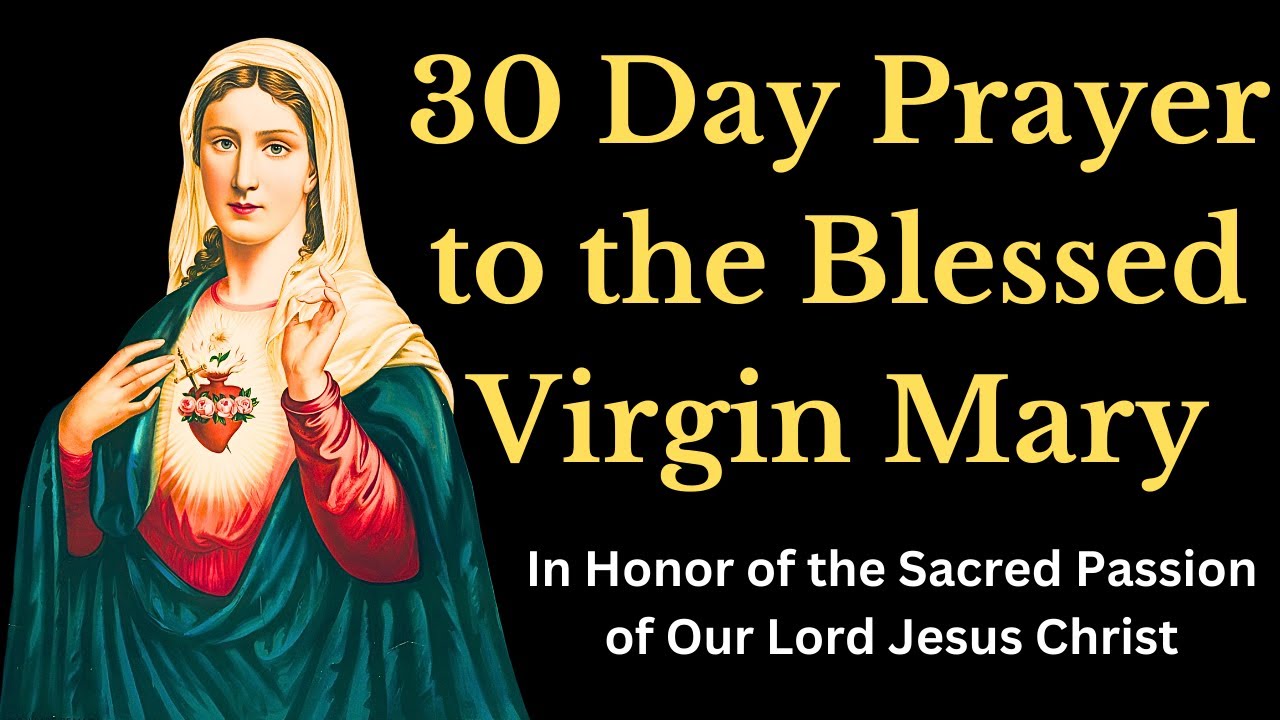
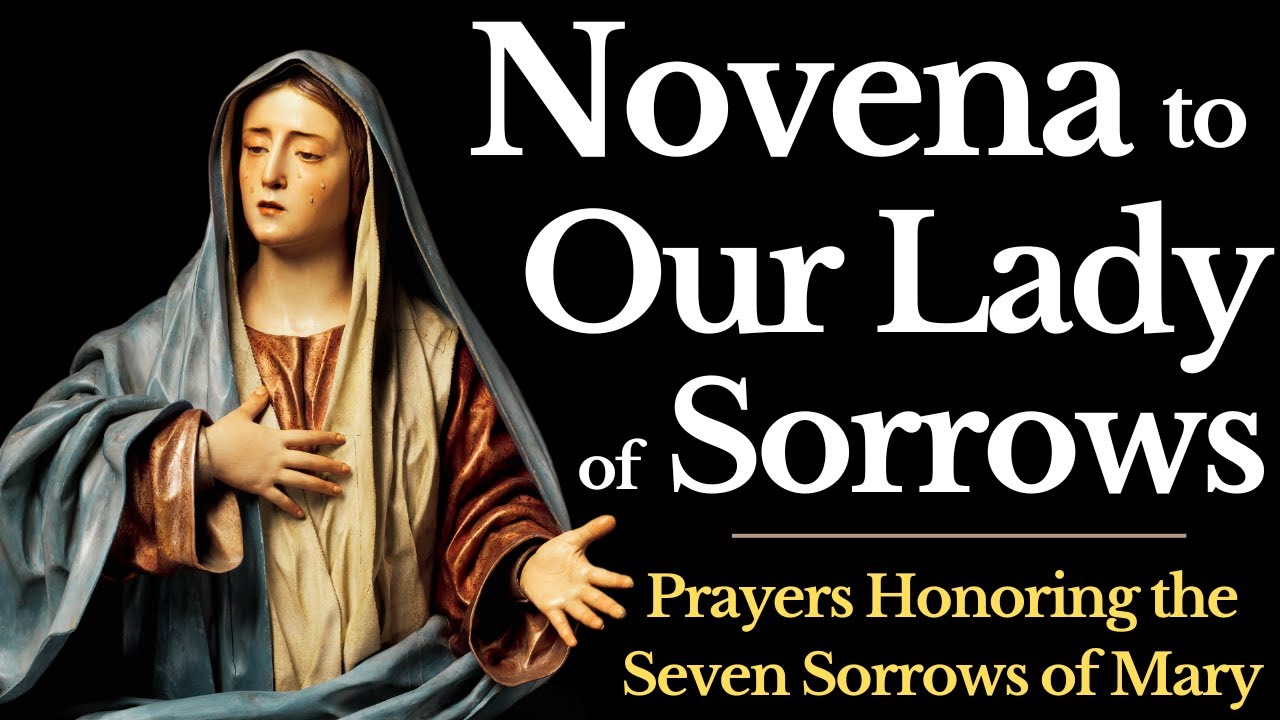
Biblical foundations for praying as the family of God
The Bible consistently describes believers as one household, bound together in Christ. Ephesians speaks of being “members of God’s household” (Ephesians 2:19), while Jesus teaches his followers to come to the Father in the plural—“Our Father”—in the Lord’s Prayer. These images and practices show that Christian prayer is never purely private; it is always connected to the wider family of God.
Scriptures that shape prayer for the family of god
- Matthew 6:9–13: The Lord’s Prayer begins with “Our Father”, reminding us that prayer is communal, not just individual.
- John 17:20–23: Jesus prays for unity among believers “so that the world may believe”.
- Acts 2:42–47: The early church devotes itself to prayer, fellowship and shared life, illustrating a living family of faith.
- Ephesians 3:14–21: Paul prays for the church to be rooted and grounded in love, strengthened by the Spirit.
- 1 Timothy 2:1–2: Believers are urged to intercede for all people, including leaders—crucial for the stability of families and communities.
These passages encourage prayer for unity, holiness, love and mission—core ingredients of healthy family life in the church.
Why prayer for the family of god matters today
Modern life can fray relationships: long commutes, digital distractions, polarised debate and financial pressures often leave people isolated. Prayer for the family of god counters this by building habits of empathy, listening and shared hope. Regular intercession nudges us away from self-focus toward care for others. It reminds us we belong to something larger than ourselves, even when our schedules pull us apart.
Praying together also gives language for difficult times—when grief is raw, when marriages struggle, when teenagers face pressure, when churches disagree, or when global events unsettle us. A steady rhythm of prayer for the family of god creates a safe space to bring sorrow and joy to the Father who cares for every aspect of life.
How to begin: a simple pattern for prayer for the family of god
You can start small and grow at a pace that suits you. Try this straightforward pattern, suitable for personal devotion, family prayer at home, or a short slot in a church gathering.
- Become still: Take a minute of silence, breathe slowly, and remember you are in God’s loving presence.
- Read a short scripture: A few lines from the Psalms, the Gospels, or an epistle set the tone.
- Give thanks: Name two or three signs of grace in your church or home this week.
- Intercede: Pray for specific people or groups—children, seniors, leaders, those who are ill, and those who feel alone. Keep it short but heartfelt.
- Pray for unity and mission: Ask for patience, generosity and wisdom in how the church serves its neighbours.
- Close with the Lord’s Prayer: This brings everyone together under “Our Father”.
Repeat this rhythm daily or weekly. Over time, you will find that prayer for the family of god becomes less of a task and more like breathing—natural, steady and essential.
Daily and weekly rhythms you can try
- Morning: Pray for your church leaders and volunteers by name; ask for grace in work and school life.
- Midweek: Send a message to someone you prayed for—short encouragement is part of prayer in action.
- Weekend: Before or after worship, gather two or three people for five minutes of quiet intercession.
- Monthly: Choose a different ministry or age group to focus on, keeping your prayers varied and attentive.
Prayers you can use and adapt
Below are examples you can read aloud, adapt for your setting, or use as starting points in your own words. Each is crafted to suit a different moment of prayer for the family of god.
A short daily prayer
Father of mercy, bind us together as your people. Give our church patience in disagreement, joy in service, and love for the least. Strengthen parents and carers, comfort the lonely, and guide our young people in wisdom and hope. May Christ’s peace guard our hearts and homes today. Amen.
A prayer for unity and discernment
Lord Jesus, head of the Church, teach us to listen well and speak kindly. Where we differ, give us humility; where we agree, give us courage to act. Keep us faithful to your Word and generous to our neighbours. May the Spirit lead our steps, and may our unity reveal your love. Amen.
A prayer for families under strain
God our refuge, be close to those facing illness, grief or financial stress. Bring relief, wise support and practical help. Restore relationships and renew strength for each day. As we lift these names before you, work in ways seen and unseen. Through Christ our hope. Amen.
A prayer for children and young people
Heavenly Father, bless our children with safety, friendship and resilience. Help them learn truth, develop strong character and discover the gifts you’ve given them. Raise up mentors and teachers who model kindness and integrity. Keep their hearts rooted in your love. Amen.
Praying for different situations in the family of God
Marriages, parents and homes
Pray for grace in everyday tasks, patience in conflict, and joy in shared routines. Ask for wise boundaries with screens, healthy work–life balance, and a habit of eating together when possible. This kind of prayer for the family of god is deeply practical: the Spirit helps with chores and choices as much as with church services.
Children and youth
Intercede for safety online and offline, for good friends, and for teachers and youth leaders. When you pray, include simple phrases children understand. Encourage them to add one sentence of their own. Early involvement helps them see themselves as valued members of the family of God.
Singles, widows and those living alone
Make space for those not living in traditional households. Pray for companionship, purpose, and opportunities to use their gifts. Prayer for the family of god should ensure no one is left on the fringes.
Elders and carers
Ask for strength, appropriate support and encouragement. If your church visits people at home or in care settings, pray before you go and after you return, naming needs and giving thanks for small improvements.
Church leaders and volunteers
Pray for integrity, rest, clarity in decision-making, and the courage to serve rather than perform. Include specific ministries—music, hospitality, youth work, small groups—so people feel seen and supported.
Times of disagreement or change
When differences arise, hold times of listening prayer and brief, well-chaired meetings. Ask for wisdom and gentleness, and use clear processes. Prayer for the family of god does not erase difficulty, but it lowers the temperature, opens ears, and makes space for reconciliation.
Practical tips for leading a short time of prayer
- Keep it simple: two or three focused topics are better than a long list.
- Use names with care: if sharing publicly, get permission first.
- Blend silence and speech: a minute of quiet often says more than many words.
- Include scripture: a verse can guide tone and content.
- Follow up: check in with those you prayed for; offer practical help if appropriate.
Common mistakes to avoid in prayer for the family of god
- Overloading the moment: Trying to cover everything leaves people overwhelmed. Focus on two or three needs.
- Using vague clichés: Be specific and honest; avoid jargon.
- Turning prayer into gossip: Share details with consent and kindness. Protect dignity.
- Monopoly by one voice: Invite others to contribute a sentence or a short silence.
- Forgetting thanksgiving: Gratitude fuels faith. Celebrate answered prayer and small steps forward.
Working with traditions: liturgy, music and silence
Different church traditions enrich prayer in distinct ways. Liturgical prayers connect you to centuries of Christian practice; contemporary worship can lift hearts with accessible language and song; and silence provides room to listen. If you are curious about how ancient practices shape community life, see this overview of the Eastern Orthodox Church. Drawing from diverse streams can make prayer for the family of god both rooted and fresh.
Hymns, psalms and simple chants can help groups focus. Short refrains such as “Lord, in your mercy, hear our prayer” give everyone a shared response. When words feel hard to find, a period of silence—perhaps one or two minutes—allows people to breathe, listen and rest before God together.
Linking prayer and real life
Prayer is not a substitute for action; it is the fuel for it. After praying for someone, consider a small, concrete step: deliver a meal, send a card, offer a lift, share good information, or signpost to professional support when needed. In the home, develop tiny habits—a blessing at the door before work, a short Psalm at bedtime, or a weekly check-in asking, “How can I pray for you this week?” Over months, these habits make prayer for the family of god an ordinary part of life.
Scripture’s wisdom is also practical. For example, many households draw inspiration from Proverbs 31 as a portrait of industrious, faithful living. For a thoughtful overview, explore these insights on the Proverbs 31 woman and consider how such virtues can be encouraged across the whole community, not just in one role or gender.
Helpful guides and trusted sources
If you want to deepen your understanding of Christian prayer, the Church of England offers accessible introductions and resources for daily practice. See their practical tools here: Church of England: prayer and worship. For a concise overview of prayer across history and traditions, you can also consult Wikipedia’s article on prayer. Families and parishes may appreciate curated intercessions from the United States Conference of Catholic Bishops: USCCB prayers for families. Each resource complements the basics offered in this guide and can enrich your own rhythm of prayer for the family of god.
Recommended external resources
- Practical guidance on daily and corporate prayer (Church of England)
- Curated prayers for families (USCCB)
- Overview of prayer across religions and history (Wikipedia)
- Background on the “household of God” imagery (Wikipedia)
Related articles
Frequently asked questions about prayer for the family of god
How long should prayer for the family of god take?
It can be as brief as two or three minutes or as long as a dedicated session in a small group. The key is consistency, not length. Short, regular prayers typically serve a community better than occasional, lengthy ones.
What if I struggle to find the right words?
Use a short Psalm or the Lord’s Prayer to begin, then add a sentence or two in your own words. You can also adapt the sample prayers in this article. Over time, your voice will become more natural.
Is it appropriate to name people and specific needs?
Yes, but do so carefully. If a need is sensitive, get permission before sharing it publicly. In larger settings, keep details minimal to protect privacy.
How can we involve children in prayer for the family of god?
Invite each child to offer one sentence—something they are thankful for or someone they want to bless. Keep language simple and positive. Short, repeated refrains help everyone take part.
What if our church has disagreements—should we still pray together?
Especially then. Praying for unity, humility and wisdom lowers tension and keeps people listening. Balance honesty about challenges with gratitude for God’s faithfulness.
How do we keep prayer from becoming repetitive?
Rotate focus areas (families, youth, elders, mission, local needs), use different scriptures, and vary the format—spoken prayers, silence, sung responses or written intercessions. Invite different people to lead.
Conclusion on prayer for the family of god
Prayer for the family of god is both simple and profound: a steady practice of bringing people, needs and hopes before the Father who knows and loves us. It strengthens homes, supports leaders, comforts the hurting, and knits the church together in patience, generosity and joy. In a world of hurry and division, such prayer is a quiet act of resistance—choosing faith, hope and love.
Begin small: a minute of silence, a verse of scripture, a short intercession. Invite others to join. Let gratitude shape your words and practical care follow your prayers. Over time, prayer for the family of god will become part of the fabric of your days, anchoring your community in Christ’s peace.
Whether you draw on ancient liturgy, simple extemporaneous words, or a mixture of both, keep the focus clear: God is faithful, and he delights to meet his people. As you persevere, expect gentle transformation—of hearts, households and the wider family of God.
