Prayer to mary for the dead: essential guide and 5 key steps
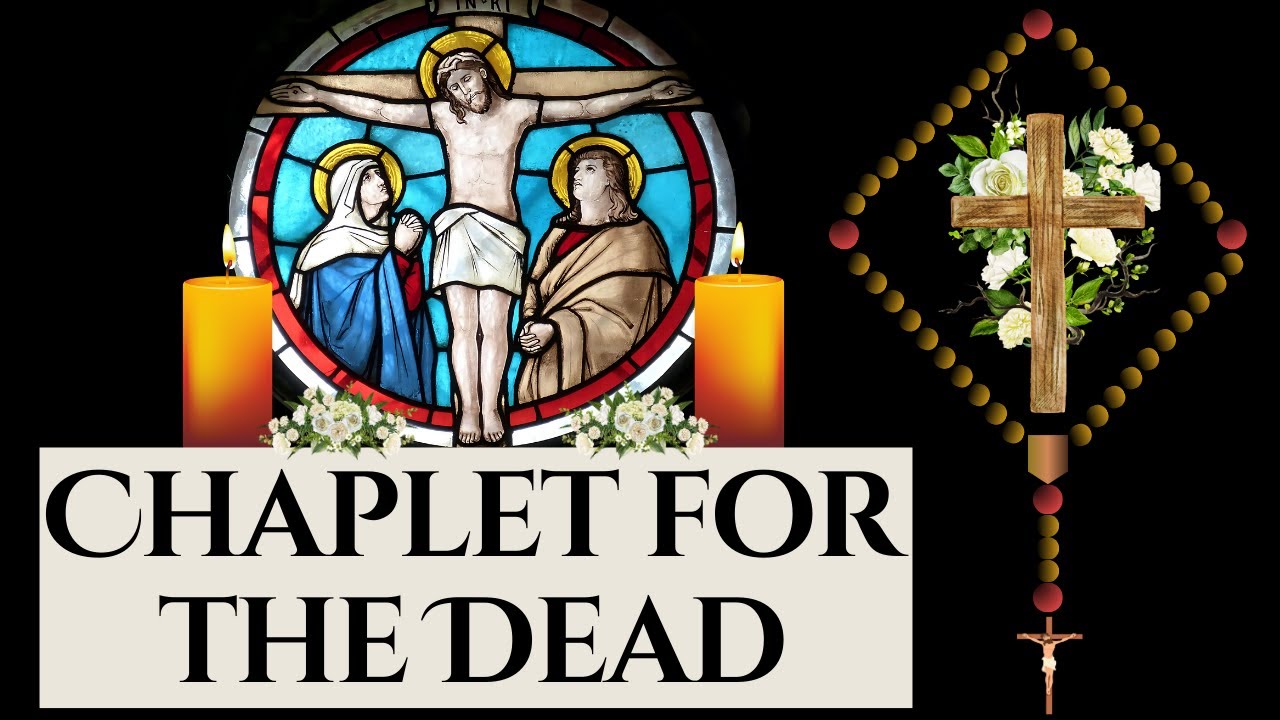
prayer to mary for the dead
In times of loss, many Christians turn to a prayer to Mary for the dead as a gentle, time-tested way to commend a loved one to God and to find solace. While the mystery of death cannot be solved by words alone, asking the Blessed Virgin Mary to intercede is, for countless believers, a simple and compassionate practice that helps them grieve with hope. In this guide, we will explain what a prayer to Mary for the dead is, when and how to use it, offer examples, and address common questions, so you can approach this devotion with clarity and confidence.
Whether you’re planning a vigil, marking an anniversary, or praying quietly at home, a prayer to Mary for the dead can help you hold the person you love before God, trusting in Mary’s maternal care and in the Christian promise of life everlasting.
What is a prayer to Mary for the dead?
A prayer to Mary for the dead is a petition for Mary’s intercession on behalf of someone who has died. In Christian traditions that venerate Mary—especially Catholic and Eastern Orthodox communities—believers ask her to pray with and for them, because she is the mother of Jesus and therefore close to Him. The intention is not to replace prayer to God, but to invite Mary to intercede so that the departed may be welcomed into God’s mercy and peace.
In practical terms, a prayer to Mary for the dead can be as brief as a single line (for example, “Holy Mary, Mother of God, pray for N.”), or as structured as a Rosary offered for the deceased. It can be prayed privately, within the family, in small groups, or as part of a memorial service or funeral vigil.


Why people pray to Mary for the dead
Many Christians find comfort in a prayer to Mary for the dead because it expresses both love for the deceased and faith in Christ’s victory over death. The practice rests on three ideas:
- Mary’s intercession: Mary is honoured as the foremost disciple and as an intercessor who prays for the faithful. Asking her to pray is akin to asking a trusted friend to join you in prayer.
- The communion of saints: Christians believe that through Christ, the Church is one—across earth and heaven. Praying for the dead is a way to live out that unity and charity.
- Hope and consolation: A prayer to Mary for the dead can gently steady the heart, giving words to grief while placing our trust in God’s mercy.
For a concise explanation of this background, you may wish to read official teaching on the communion of saints in the Catechism of the Catholic Church: Catechism sections on the communion of saints. A broader overview of how Christians have traditionally remembered the departed can be found here: summary of Christian prayer for the dead.
When and where to use a prayer to Mary for the dead
You can say a prayer to Mary for the dead almost anywhere and at any time. Common moments include:
- At a vigil or wake before a funeral
- During the funeral liturgy, if appropriate in your tradition
- On anniversaries of death, birthdays, or significant family dates
- During All Souls’ Day or throughout November, a month of remembrance in many churches
- At a graveside visit, lighting a candle at home, or in a quiet moment of personal reflection
Different denominations approach Mary differently. Roman Catholics and many Anglicans are comfortable with a prayer to Mary for the dead, while others may prefer to pray only directly to God. In Eastern Christianity, honour for Mary (the Theotokos) is deep and longstanding; to learn more about that Christian family and its devotional life, this overview is helpful: introduction to the Eastern Orthodox Church.
How to pray: a gentle step-by-step guide
If you are new to this, here is a simple way to approach a prayer to Mary for the dead with calm and clarity:
- Settle yourself. Sit or stand in a comfortable, respectful posture. Take a slow breath and bring the person you’re praying for to mind.
- Begin with the Sign of the Cross (if this is your tradition) or a brief silence, acknowledging God’s presence.
- Speak to Mary simply. Use your own words, or a traditional prayer, asking her to intercede for the person who has died.
- Name the person. If you can, mention the deceased by name, and add specific intentions—peace, forgiveness, eternal rest, consolation for the family.
- Close with trust. End with “Amen” or a favourite doxology, and rest for a moment in silence.
A simple prayer to Mary for the dead (example)
Here is a short, adaptable prayer to Mary for the dead you can use:
“Holy Mary, Mother of God, gentle mother of mercy, please pray for [Name], whom we love and commend to your Son. Ask the Lord to grant [him/her/them] forgiveness, light, and peace. Comfort us who remain, and help us to trust in the hope of the resurrection. Amen.”
Using traditional prayers within a vigil
Many people weave a prayer to Mary for the dead into a short set of familiar prayers. You might include the Hail Mary, the Memorare, and the Salve Regina (Hail, Holy Queen). Authoritative texts can be found here: Hail, Holy Queen (text and background) and here: The Memorare prayer. You could add a brief scripture reading (for example, John 11:25–26 or Romans 8:38–39) and a moment of silence for personal remembrance.
Short forms of prayer to Mary for the dead
Sometimes all we can manage is a sentence. Short invocations can be repeated throughout the day or whispered at a graveside. Each is a simple prayer to Mary for the dead:
- “Mother Mary, please pray for N., that eternal rest be granted to [him/her/them].”
- “Mary, refuge of sinners and comfort of the afflicted, intercede for N.”
- “Holy Mary, guide N. to the light of Christ and console us who mourn.”
- “Our Lady, be near to N. and to all who grieve today.”
Praying the Rosary for the departed
Another way to offer a prayer to Mary for the dead is to dedicate a Rosary for the person who has died. The Rosary is a meditative sequence of prayers reflecting on the life of Christ, with the Hail Mary repeated within each decade. You can pray any set of mysteries; many people choose the Sorrowful Mysteries in times of bereavement, uniting their grief to Christ’s passion and Mary’s compassion.
One common pattern is:
- Introductory prayers (Apostles’ Creed, Our Father, three Hail Marys, Glory Be)
- Five decades, each beginning with an Our Father, followed by ten Hail Marys and a Glory Be
- After each decade, you may add: “Eternal rest grant unto [Name], O Lord, and let perpetual light shine upon [him/her/them]. May [he/she/they] rest in peace. Amen.”
Because the Rosary is already a prolonged prayer to Mary for the dead when offered for someone’s repose, it naturally brings together intercession, remembrance, and hope. If you are new to the Rosary, many parish leaflets and reputable websites provide step-by-step guides.
Cultural and denominational perspectives
The way a prayer to Mary for the dead is used can vary. Here is a brief overview to orient you:
- Catholic Church: Prayers for the dead and Marian intercession are well-established and encouraged, particularly around All Souls’ Day. The Rosary, litanies, and memorial Masses are common contexts for a prayer to Mary for the dead.
- Eastern Orthodox: While specific liturgical customs differ, honour for Mary (Theotokos) is profound, and believers ask for her prayers. To deepen your understanding of these traditions, see this concise overview of the Eastern Orthodox Church.
- Anglican/Episcopalian: Practices vary by parish. Some Anglicans regularly include Marian prayers; others focus on prayers addressed solely to God.
- Protestant communities: Many do not use Marian intercession. If you are from such a background, you may still find value in praying directly to God for the departed while cherishing Mary as an inspirational figure of faith.
Devotion to saints also arises in other ways amid grief. For instance, some people ask for the prayers of St Michael, trusting his protection against darkness and fear during bereavement; see this background note: devotion to St Michael the Archangel.
Common questions of wording and intention
Clarity helps. When offering a prayer to Mary for the dead:
- Use the person’s name when possible and speak to Mary respectfully and simply.
- State your intention: “Please pray for N., that [he/she/they] may see the face of God.”
- Add a short line for the living: “Comfort our family and strengthen our hope.”
- Close with trust: “Mary, lead us all closer to your Son, now and forever. Amen.”
Above all, let your words be honest. A prayer to Mary for the dead does not have to be poetic; sincerity matters most.
Common mistakes to avoid
- Thinking you must “get the words perfect.” You do not. A heartfelt prayer to Mary for the dead can be very simple.
- Confusing intercession with worship. Christians who use a prayer to Mary for the dead ask Mary to pray; they do not worship her as God.
- Forgetting to include the person’s name or intention. Specificity helps focus your prayer and remembrance.
- Rushing. A brief silence before and after a prayer to Mary for the dead can bring peace.
- Neglecting pastoral sensitivity. When praying in a mixed group, be mindful that not everyone shares the same approach to Mary; choose words with kindness.
Recommended external resources
- Catechism sections on the communion of saints (official Vatican text) – explains the Church’s understanding of intercession and unity between the living and the dead.
- Directory on Popular Piety and the Liturgy (Vatican) – guidance on devotions, including Marian prayers, in harmony with the liturgy.
- Hail, Holy Queen (text and commentary) – a traditional Marian prayer that can close a vigil for the departed.
- Overview of Christian prayer for the dead – broad, neutral summary with historical notes.
Related articles
Frequently asked questions about prayer to Mary for the dead
Is it proper to ask Mary to pray for someone who has died?
In traditions that honour Mary’s intercession—especially Catholic and Orthodox—the answer is yes. A prayer to Mary for the dead is considered a request for her prayers, not a substitute for prayer to God. Other Christians may prefer to pray only to God; if you are in a mixed gathering, choose language that respects everyone present.
Can I write my own prayer to Mary for the dead?
Absolutely. Your own words can be the most meaningful. A simple structure is: address Mary, name the person, state your intention (mercy, light, peace), add a petition for the bereaved, and end with trust. This creates a clear, heartfelt prayer to Mary for the dead without needing a set text.
How often should I offer a prayer to Mary for the dead?
As often as you wish. Some people pray daily during the first months of grief, then on anniversaries and family milestones. Others pray a single Rosary or hold a short vigil. There is no fixed rule; the right rhythm is the one that supports your faith and love.
May I combine a Rosary with other prayers for the deceased?
Yes. Many will pray a Rosary as a sustained prayer to Mary for the dead and add the “Eternal rest” prayer after each decade, or conclude with the Salve Regina. You may also include brief scripture passages or silent reflection, depending on your setting.
What if I’m not Catholic—can I still say a prayer to Mary for the dead?
That depends on your conscience and tradition. Some non-Catholic Christians are comfortable asking Mary to pray; others are not. You can always pray directly to God for the deceased. If you do use a prayer to Mary for the dead, make your intention clear: you are asking her to intercede with her Son, Jesus.
Should I use the person’s full name in the prayer?
Using the person’s name helps focus your intention. In a public setting you might choose just a first name or initials for privacy. In a private prayer to Mary for the dead, speaking the full name can be a tender act of remembrance.
Conclusion on prayer to mary for the dead
A prayer to Mary for the dead is a gentle, human way to hold a loved one before God, asking the Mother of Jesus to join you in prayer. Whether you use a short invocation, a personalised prayer, or the Rosary, the heart of the devotion is simple: trust in God’s mercy, honour the person who has died, and invite Mary’s intercession with faith and hope.
If you are new to this practice, start small: speak from the heart, name your loved one, and ask for light, peace, and consolation. Over time, a prayer to Mary for the dead can become a steady thread in the fabric of remembrance—something you return to on anniversaries, at gravesides, or whenever grief resurfaces.
Above all, remember that love endures. Every sincere prayer to Mary for the dead is an act of love—offered for the one who has gone before you, and for those who remain. May your prayers bring comfort, and may the departed rest in the peace of Christ.
