Prayer to mary health of the sick: essential practical guide: 5 steps
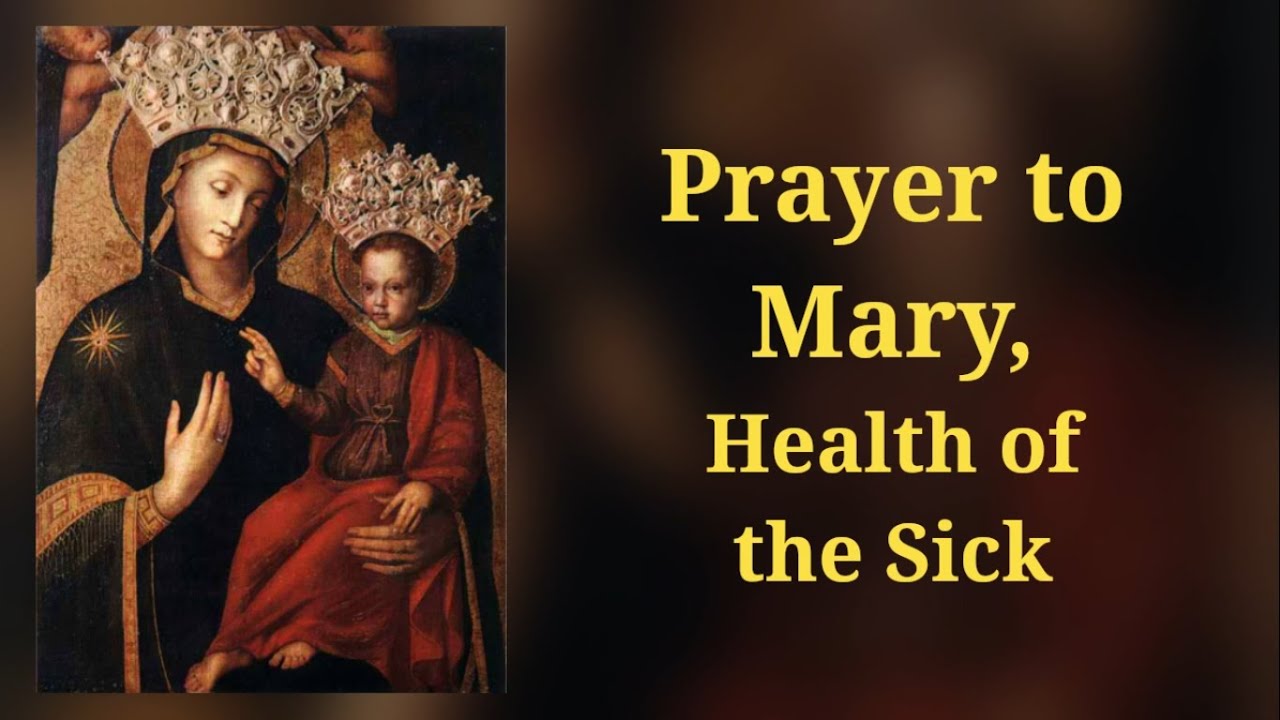
prayer to mary health of the sick
For many Christians, turning to Our Lady in times of illness is a natural expression of trust, love and hope. The phrase prayer to mary health of the sick refers to a heartfelt request for the intercession of the Blessed Virgin under her ancient title “Health of the Sick” (Latin: Salus infirmorum). Whether whispered at a bedside, shared within a family, or prayed with a parish community, this devotion seeks comfort, courage and, when it is God’s will, healing for those who suffer in body, mind or spirit.
While no prayer is a magic formula, prayer to mary health of the sick helps people place their fears and needs before God with the gentle companionship of Mary, the Mother of Jesus. Catholics, many Orthodox and some Anglicans cherish this title, which appears in the traditional Litany of Loreto. It echoes the Gospel image of Mary as a compassionate presence who points us to her Son and stands with us at the Cross, especially when life hurts.
This article explains what the devotion means, how to begin, and offers sample prayers and practical suggestions to integrate prayer to mary health of the sick into daily life. It also addresses common questions with clear, down-to-earth answers, so you can pray with confidence, sensitivity and peace.
Understanding prayer to mary health of the sick: meaning and purpose
At its heart, prayer to mary health of the sick is a simple act of entrusting. We ask the Mother of Jesus to pray with us and for us, believing that her maternal care leads us more deeply to Christ, the Divine Physician. In Catholic teaching, we do not worship Mary; rather, we honour her unique role in salvation history and ask for her intercession, much as we might ask a trusted friend to pray for us.


The title “Health of the Sick” (Salus infirmorum) has been part of Christian devotion for centuries and is included in the Litany of Loreto, a much-loved Marian prayer used by popes and people alike. You can see this title among others in the official text of the Litany of Loreto on the Vatican website. Rooted in Scripture and tradition, the title reflects the Church’s experience of Mary’s consoling help and the countless healings—spiritual and sometimes physical—that follow deeper trust in Christ.
It is also worth noting that Christian care for the sick is never only private or inward. Many churches have ministries of visiting the ill, hospital chaplaincies and, in the Catholic Church, the Sacrament of the Anointing of the Sick. For more on this sacrament’s purpose and pastoral practice, see the USCCB’s overview of Anointing of the Sick. Prayer to mary health of the sick can be a gentle companion to these practices, helping both carers and those who are ill to remain steady, hopeful and loved.
Beyond the Catholic world, esteem for Mary is also present in other traditions. For a concise background to a major stream of Christian life that deeply venerates Mary, you might appreciate this overview of the Eastern Orthodox Church. Different Christian communities will express devotion in different ways, but the instinct to ask for Mary’s prayers during illness is a widely shared, pastoral reflex.
How to pray: a simple prayer to mary health of the sick
If you’ve never tried this devotion, begin simply. The following steps can help you pray at home, at church, or even in a hospital room. You can pray for yourself, for a loved one, or for all who suffer.
- Find a quiet moment. Sit comfortably, breathe slowly, and become aware of God’s presence. If possible, place a small cross, a candle, or an icon of Mary where you can see it. Even a photo on your phone can focus your attention.
- Name your intention. In one sentence, tell God and Mary what you seek: healing, strength for treatment, relief from fear, wisdom for doctors, or peace for a family. Clarity helps you pray from the heart.
- Begin with a familiar prayer. Many start with the Sign of the Cross and the Hail Mary. You could also pray a decade of the Rosary, offering it as a prayer to mary health of the sick for a particular person.
- Speak freely. In your own words, tell Mary what hurts, what worries you, and what you hope for. Ask her to carry your prayer to Jesus and to teach you to say “yes” to God’s will with courage.
- Use brief invocations. Short phrases can anchor your mind: “Mary, Health of the Sick, pray for us.” “Mother of mercy, be close to me.” Repeating a simple line can calm anxiety and steady your thoughts.
- Listen in silence. Pause for a minute or two. Trust that God is working, even when you feel nothing. Gentle silence is part of prayer to mary health of the sick; it leaves room for grace.
- Close with gratitude. Thank God for his love and Mary for her care. End with a blessing over yourself or your loved one: “May the Lord bless you and keep you.”
- Pray regularly. Consistency nurtures trust. A brief daily moment can be more powerful than a long, occasional effort, especially during treatment or recovery.
- Combine with Scripture. Reading one healing story from the Gospels—such as the healing of the paralytic (Mark 2) or the woman with the haemorrhage (Mark 5)—can enrich your prayer and remind you of Christ’s compassion.
Sample texts for prayer to mary health of the sick
Use these original prayers as they are, or adapt them to your voice. The important thing is sincerity. Even a single, whispered “Mary, help me” can be a powerful prayer to mary health of the sick.
A short bedside prayer
Mary, Health of the Sick, be near me now. Hold my fears, lighten my pain, and carry my prayer to your Son, Jesus, the Divine Physician. Ask him to strengthen my body, calm my mind, and fill my heart with hope. If it is his will, may I be healed; if not, grant me courage and peace. Mother of mercy, stay with me. Amen.
A prayer for a loved one
Mary, gentle Mother, I place [Name] in your care. Health of the Sick, pray for them. Ask Jesus to guide their doctors, to bless their treatment, and to keep despair far from their heart. Give [Name] rest tonight and courage tomorrow. Be a shelter for our family, and teach us patience, love and trust. Amen.
Traditional invocations to weave into your day
- “Mary, Health of the Sick, pray for us.”
- “Mother of God, be with the sick and the dying.”
- “Our Lady of mercy, intercede for healing and peace.”
A simple novena structure (nine days of prayer)
A novena is nine days of focused prayer. You can shape a novena around prayer to mary health of the sick like this:
- Day 1: Entrustment – “Mary, I place [Name] into your care.”
- Day 2: Courage – Ask for strength during tests or treatment.
- Day 3: Wisdom – Pray for doctors, nurses and carers.
- Day 4: Peace – For calm in mind and heart.
- Day 5: Patience – For endurance during recovery.
- Day 6: Hope – For trust in God’s loving plan.
- Day 7: Consolation – For relief from pain and fear.
- Day 8: Gratitude – For blessings received, however small.
- Day 9: Surrender – “Lord, your will be done.”
Each day, pray one decade of the Rosary, add the invocation “Mary, Health of the Sick, pray for us,” and finish with a moment of quiet. This steady rhythm makes the novena a gentle, sustainable form of prayer to mary health of the sick.
Praying alongside medical care and community support
Good pastoral sense recognises that God works through prayer, people and practical care. Prayer to mary health of the sick is most fruitful when it accompanies appropriate medical attention, compassionate listening and a supportive routine. If you are in hospital or caring for someone who is, consider contacting a chaplaincy service—they can arrange visits, Communion, Confession, or simply offer a calm presence in a difficult time.
Respect the wishes of the person who is ill. Always ask before you pray aloud. Short, gentle invocations can be less tiring than long recitations. Bring hope without pressure, and remember that some days are harder than others. Small, steady acts of love—making tea, tidying a room, holding a hand—are themselves a living prayer.
If your family values the intercession of saints more broadly, you may also add other prayers, such as asking St Joseph (patron of a happy death) or the Archangel for protection. For a clear introduction to angelic intercession, see who is Michael the Archangel. These devotions can sit comfortably alongside prayer to mary health of the sick, enriching your spiritual support network.
Scriptural and historical roots
The Gospels overflow with Christ’s compassion for the suffering. From restoring sight to the blind to raising Jairus’s daughter, Jesus reveals the Father’s heart. Mary’s role is always to lead us to that living mercy. At Cana (John 2), she notices a hidden need and brings it to Jesus—an early picture of her intercessory care. At the Cross (John 19), she stands fast in love, sharing the world’s sorrow and receiving us as her children.
Across the centuries, Christians have turned to Mary using many titles that highlight aspects of her care—Comfort of the Afflicted, Refuge of Sinners, and Health of the Sick among them. The Church gathers these in the Litany of Loreto, officially recognised by the Holy See; you can read the text here: Litany of Loreto (Vatican). Places of pilgrimage such as Lourdes also bear witness to the sick seeking prayerful support; learn more at the official Sanctuary of Lourdes site. In modern times, popes have likewise encouraged prayer to mary health of the sick, particularly during global health crises; see, for example, Pope Francis’s prayer to Mary during the pandemic (Vatican News).
Common mistakes to avoid with prayer to mary health of the sick
- Treating prayer as a test. If healing does not come as hoped, it does not mean your prayer “failed.” God’s answers can be “yes,” “not yet,” or “not in this way.” Prayer to mary health of the sick seeks trust, not control.
- Overlooking consent. Always ask a sick person if they wish to pray. Respect different temperaments and traditions.
- Neglecting professional help. Prayer complements, not replaces, medical treatment, therapy and wise self-care.
- Speaking too much. Gentle silence often helps more than many words. Keep prayers short if someone is very tired.
- Forgetting gratitude. Notice and thank God for small improvements, helpful nurses, restful sleep—gratitude fuels hope.
- Isolating yourself. Invite a friend, parish group or family to join in a novena or a simple daily intention. Shared prayer reduces loneliness.
Recommended external resources
- Official text of the Litany of Loreto (Vatican) – where the title “Health of the Sick” appears.
- USCCB guide to the Anointing of the Sick – how the Church cares sacramentally for the ill.
- Sanctuary of Our Lady of Lourdes (official site) – a renowned place of prayer for the sick.
- Pope Francis’s prayer to Mary, Health of the Sick (Vatican News) – an example of contemporary devotional prayer.
Related articles
Frequently asked questions about prayer to mary health of the sick
Is praying to Mary the same as worshipping her?
No. In Catholic and Orthodox understanding, worship (adoration) belongs to God alone. Prayer to Mary is a request for intercession—asking her to pray with and for us—much as we ask trusted friends to pray. The title “Health of the Sick” highlights her caring role; prayer to mary health of the sick is a way of drawing closer to Jesus through Mary’s motherly help.
Can non-Catholics pray this devotion?
Yes. Many Christians who are not Catholic are comfortable asking Mary to pray for them, especially in times of illness, even if they do not practise other Marian devotions. Keep it simple: “Mary, Health of the Sick, please pray for me and lead me to Jesus.” Respect your own tradition and conscience, and let the prayer be an honest cry of the heart.
What if I’m too tired or anxious to pray for long?
Short is fine. One sincere sentence can be enough: “Mary, Health of the Sick, stay with me.” Repeat a brief line as you breathe. If you like structure but have little energy, touch a Rosary and say just one Hail Mary. Remember that prayer to mary health of the sick is more about presence and trust than about many words.
Does this prayer guarantee physical healing?
No prayer can bind God to a particular outcome. However, prayer to mary health of the sick often brings real graces: courage for treatment, deeper peace, patience in pain, reconciliation within families, and renewed faith. Many also testify to recoveries that medical professionals cannot fully explain. We give thanks for every good, trusting that God’s love never fails, whatever the journey holds.
How often should I say it—and for how long?
Little and often works well. A short daily moment—morning, midday or evening—can sustain you over weeks or months. If you prefer a focused period, try a nine-day novena. In either case, be gentle with
