Prayer to mary orthodox: essential guide with 5 key steps
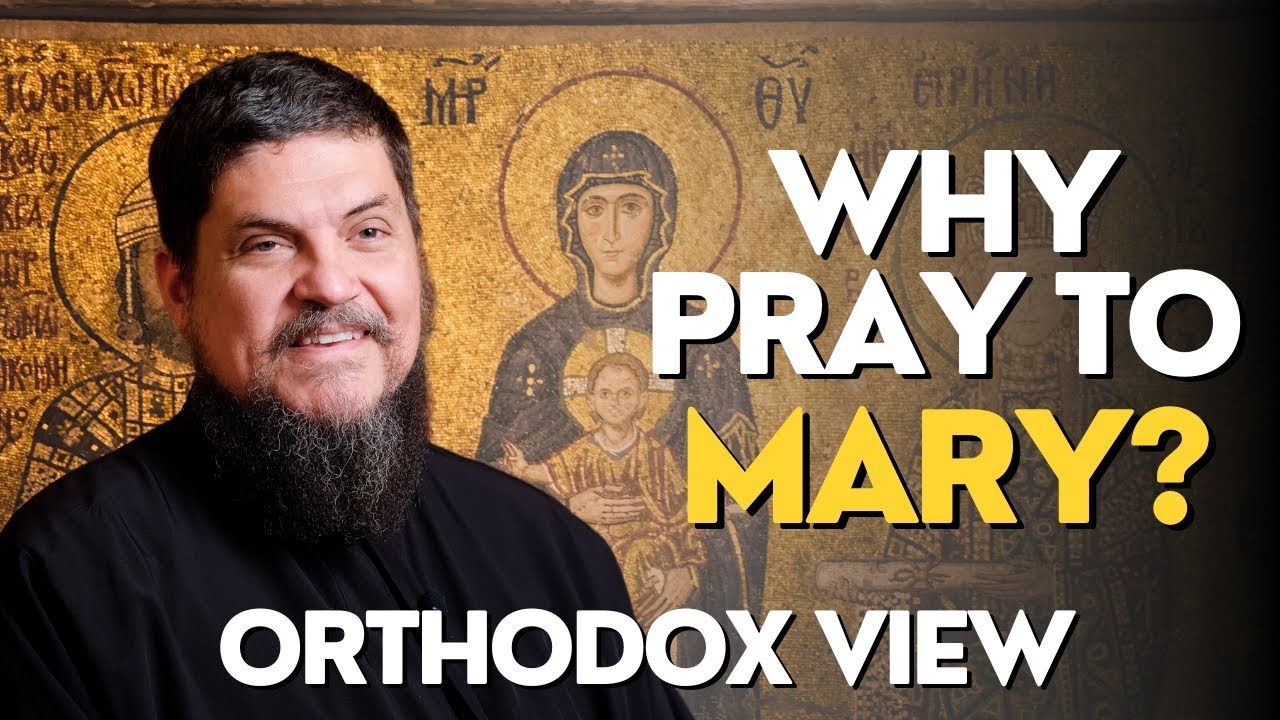
Prayer to Mary Orthodox: meaning, practice, and tradition
If you have ever wondered what people mean by prayer to mary orthodox, this guide offers a friendly, clear overview. We will explain who the Virgin Mary (the Theotokos) is in the Orthodox tradition, why believers turn to her in prayer, how these prayers fit within the life of the Church, and practical steps to begin or deepen your own practice at home or in parish life.
While prayer to mary orthodox can seem unfamiliar if your background is different, it rests on simple ideas: love for Christ, honour for his Mother, and a desire for her intercession. You will discover the main prayers used, typical times and ways to pray, what to expect spiritually, and common pitfalls to avoid.
What does “prayer to mary orthodox” mean?
In everyday use, prayer to mary orthodox refers to the prayers used by Eastern Orthodox Christians to honour and seek the intercession of the Virgin Mary, called the Theotokos (“God-bearer”). Orthodox prayer to Mary does not replace prayer to Christ, nor does it treat Mary as divine. Instead, it is veneration (honour) rather than worship (adoration). The Orthodox faithful ask her to pray for them, just as one might ask a trusted friend to pray—only she is considered the foremost of the saints, the first to show what it means to follow Christ perfectly.
In many languages of Orthodox lands, short prayers to Mary are woven into the Church’s services, daily prayer books, and family devotions. As such, when people speak of prayer to mary orthodox, they are often thinking of well-loved texts like “Rejoice, O Virgin Theotokos” or longer services such as the Akathist Hymn and the Paraklesis.


The place of the Theotokos in Orthodox belief
The title “Theotokos” expresses a central Christian truth: that Jesus Christ, whom Mary bore, is truly God and truly man. Because of this, Mary’s significance in Orthodoxy is inseparable from the person of Christ. Orthodox theology views her as the New Eve—an image of human obedience to God—and the highest of all created beings, yet still fully human. For background on the title and history, you can read a neutral introduction on the Theotokos here: historical overview of the Theotokos.
Hence, prayer to mary orthodox is always Christ-centred. When Orthodox Christians address the Mother of God, they are asking her to bring them closer to her Son, to protect them on life’s journey, and to help them grow in faith, hope, and love.
Veneration versus worship: clearing common misunderstandings
It is vital to distinguish veneration from worship. In Orthodox practice:
- Worship (latreia) is offered to God alone—the Father, the Son, and the Holy Spirit.
- Veneration (proskynesis) is honour shown to saints and holy things, including icons. It recognises what God has done in them.
Therefore, prayer to mary orthodox never treats Mary as a goddess, creator, or saviour. Instead, she is honoured as Mother of God and foremost intercessor, a model disciple whose prayers are sought precisely because of her closeness to Christ.
Scriptural and patristic roots of prayer to mary orthodox
Orthodox tradition sees Marian veneration emerging from Scripture and the witness of early Christian teachers (the Fathers). Key passages include Luke 1:28 (“Hail, full of grace, the Lord is with you”), Luke 1:42 (“Blessed are you among women, and blessed is the fruit of your womb”), and Luke 1:48 (“all generations will call me blessed”). These texts are echoed directly in Orthodox prayers to Mary.
From the earliest centuries, Christians addressed Mary in hymns of praise and petition. Over time, these developed into well-known forms. Understanding these roots helps make sense of prayer to mary orthodox as the organic outgrowth of the Church’s living faith.
Core texts for prayer to mary orthodox
Most Orthodox prayer books include a set of short hymns and invocations to the Theotokos used daily or weekly. Among the most common are:
- Rejoice, O Virgin Theotokos: Sometimes called the “Orthodox Hail Mary”. In English, a typical form reads: “Rejoice, O Virgin Theotokos, Mary full of grace, the Lord is with thee. Blessed art thou among women and blessed is the fruit of thy womb; for thou hast borne the Saviour of our souls.”
- It is Truly Meet (Axion Estin): A beloved hymn sung at many services, honouring the Theotokos’ unique role.
- The Akathist Hymn: A standing hymn of praise to the Mother of God, usually chanted in Great Lent, but suitable any time. For background, see this overview: history and structure of the Akathist Hymn.
- The Paraklesis (Supplicatory Canon): A series of petitions asking the Theotokos’ help in sickness, sorrow, and need. See the Greek Orthodox Archdiocese guide to the Paraklesis for an outline and texts.
When people search for prayer to mary orthodox, they often want a short, usable text they can add to their day. Typically, “Rejoice, O Virgin Theotokos” is a good starting point because of its clarity, beauty, and scriptural phrasing.
How prayer to Mary grows in daily life
Beyond memorising a few prayers, Orthodox Christians weave Marian devotion into the natural rhythm of worship. At church, the Theotokos is praised during the Divine Liturgy and other services; at home, many keep a small icon corner and address a brief prayer to Mary in the morning or evening. Over time, prayer to mary orthodox becomes less of an isolated action and more of an attitude: gratitude for her motherly care, trust in her intercession, and a hopeful turning to Christ through her example.
Step-by-step: beginning prayer to Mary in an Orthodox manner
Here is a simple way to start, especially if prayer to mary orthodox is new to you:
- Choose a quiet place and, if possible, stand before an icon of Christ and the Theotokos. Light a candle if you wish.
- Make the sign of the Cross and begin with a brief opening, such as “O Heavenly King” or “Lord, have mercy,” according to your prayer book tradition.
- Say one short prayer to Mary, for instance “Rejoice, O Virgin Theotokos,” attentively and slowly.
- Express your intention simply: “Most holy Theotokos, intercede for me (or for someone by name).”
- Conclude with a prayer to Christ or the Trisagion prayers if part of your normal rule, and again make the sign of the Cross.
Repeat this once or twice daily for a few weeks. As you grow more comfortable, you can add “It is Truly Meet,” a troparion of the day, or, if advised by your priest, a portion of the Akathist Hymn. You can find a helpful collection of basic texts here: Orthodox Church in America: Prayer texts.
Posture, time, and setting for prayer to mary orthodox
Orthodox worship engages the body. For personal prayer to Mary, common postures include standing, bowing, and making the sign of the Cross. Kneeling may be used in personal devotion depending on local custom. Praying before icons both focuses the mind and expresses the Church’s faith that creation can bear the presence of divine grace.
Good times for prayer to mary orthodox include:
- Morning: offering the day to God with the Theotokos’ protection.
- Evening: asking for peace of mind and safeguarding through the night.
- Before journeys, difficult conversations, or medical appointments: seeking strength and comfort.
- During fasting seasons or times of repentance: adding the Akathist or Paraklesis as instructed by clergy.
Sample short prayers used by Orthodox Christians
Use these as they stand or adapt them slightly with your priest’s advice:
“Rejoice, O Virgin Theotokos, Mary full of grace, the Lord is with thee. Blessed art thou among women, and blessed is the fruit of thy womb; for thou hast borne the Saviour of our souls.”
“Most holy Theotokos, save us”—meaning, “protect us by your prayers”; this brief refrain punctuates many Orthodox services.
“O Mother of God, shelter us beneath your holy veil, that in every trial we may find courage to follow Christ.”
Even a single line, prayed with attention, keeps prayer to mary orthodox both modest and profound.
Liturgical devotion: Akathist and Paraklesis explained
Two services often associated with prayer to mary orthodox are the Akathist Hymn and the Paraklesis. The Akathist Hymn is a poetic meditation on the mystery of the Incarnation and Mary’s part in it. It is arranged in 24 stanzas (ikos and kontakion pairs), traditionally sung standing. The Paraklesis is a supplicatory service asking the Theotokos’ prompt aid in sickness, distress, and danger; many parishes chant it during the first two weeks of August. The Greek Orthodox Archdiocese offers an accessible outline here: Paraklesis: structure and texts.
Participating in these services, even occasionally, can deepen understanding and make personal prayer to mary orthodox more heartfelt and balanced.
How Orthodox practice compares with other Christian traditions
People sometimes ask how prayer to mary orthodox differs from other forms of Marian devotion, especially the Western rosary. In brief:
- Textual emphasis: Orthodox prayers consistently highlight Mary’s role as Theotokos and the Incarnation’s mystery.
- Liturgical setting: Marian devotion is strongly embedded in public worship (Divine Liturgy, Vespers, Compline), especially through hymns and refrains like “Most holy Theotokos, save us.”
- Prayer rope use: While not a Marian rosary, many Orthodox Christians pray brief invocations to the Theotokos on a prayer rope alongside or after the Jesus Prayer, always keeping Christ at the centre.
These differences are not competitive but reflect the organic growth of prayer traditions in distinct historical and cultural contexts.
Benefits and fruits of prayer to mary orthodox
Those who pray to the Theotokos consistently report several spiritual benefits:
- Christ-centred humility: Mary’s “Let it be to me according to your word” becomes a model for daily obedience.
- Perseverance: In times of fear, the brief petitions of prayer to mary orthodox steady the heart.
- Communal identity: Praying with the texts used by generations connects the faithful to the wider Church.
- Hope: Trusting Mary’s intercession nurtures a simple, confident turning to Christ in every circumstance.
Common mistakes to avoid
To keep prayer to mary orthodox healthy and balanced, watch for these frequent errors:
- Treating Mary as a shortcut to God: Her role is to lead us to Christ, not to replace him.
- Overcomplication: Start small. A single well-said prayer is better than a hurried stack of texts.
- Isolation: Prayer grows best within the sacramental life of the Church; regular attendance and confession enrich it.
- Neglecting Scripture: Marian prayers echo the Bible. Reading Luke 1–2 alongside them anchors devotion in the gospel.
Praying in family and community
In many Orthodox homes, families gather at an icon corner for a short morning or evening rule. Including a brief prayer to the Theotokos—particularly “Rejoice, O Virgin Theotokos”—helps teach children gentle reverence and dependence on God’s mercy. In parish life, joining an Akathist or Paraklesis introduces newcomers to the beauty of prayer to mary orthodox in its natural liturgical setting.
For particular needs: illness, travel, and anxiety
One reason prayer to mary orthodox remains beloved is its concrete, compassionate outlook. Believers turn to the Theotokos for help in:
- Illness: The Paraklesis asks for “quick help” and “deliverance from ills,” uniting prayer with appropriate care.
- Journeys: Short invocations before travel encourage attentive, safe, and thankful hearts.
- Anxiety and grief: In sorrow, many find it easier to speak to Mary first; she, in turn, brings us to the feet of Christ.
Growing steadily: a simple plan
If you would like to make prayer to mary orthodox part of your life, consider this gentle plan:
- Week 1–2: Pray “Rejoice, O Virgin Theotokos” once daily.
- Week 3–4: Add “It is Truly Meet” two or three times a week.
- After 1–2 months: Attend an Akathist or Paraklesis at your parish; add one stanza to your personal rule.
- Seasonally: In Lent or the Dormition Fast (first two weeks of August), enrich your practice as guided by your priest.
Keep the focus on consistency and attention rather than quantity. Prayer grows like a living plant: gently, with patience.
Recommended external resources
- Historical and theological background to the title Theotokos
- Greek Orthodox Archdiocese: Paraklesis (Supplicatory Canon) resources
- Overview of the Akathist Hymn and its structure
- Orthodox Church in America: collection of prayer texts
Related articles
Frequently asked questions about prayer to mary orthodox
Do Orthodox Christians worship Mary?
No. Orthodox believers worship God alone—Father, Son, and Holy Spirit. Prayer to mary orthodox is veneration, not worship. It honours the Mother of God and asks for her intercession, always pointing back to Christ.
What is the simplest Orthodox prayer to Mary I can learn today?
A common starting point is: “Rejoice, O Virgin Theotokos, Mary full of grace, the Lord is with thee. Blessed art thou among women, and blessed is the fruit of thy womb; for thou hast borne the Saviour of our souls.” This short text captures the essence of prayer to mary orthodox.
How often should I include Mary in my daily prayers?
Begin with once a day, perhaps morning or evening, and grow gently. Many Orthodox Christians repeat short invocations during the day as needed. Quality and attentiveness matter more than quantity.
What are the Akathist and Paraklesis, and must I do them at home?
The Akathist Hymn is a poetic praise of the Mother of God; the Paraklesis is a supplicatory service seeking her help. While you can read selections privately, they are best experienced in church with the community. Still, when unable to attend, a few stanzas read at home can enrich your prayer to mary orthodox.
Is there an Orthodox “Hail Mary” like in the West?
Yes, but expressed in the form commonly called “Rejoice, O Virgin Theotokos,” which uses scriptural language (“Blessed art thou among women…”) and concludes with the confession that she has “borne the Saviour of our souls.” Many use this text when speaking of prayer to mary orthodox.
Do I need an icon to pray to the Theotokos?
It is not strictly required, but icons help focus the heart and remind us we stand before the real persons depicted. If you can, place a small icon of Christ and the Theotokos where you pray. If not, pray wherever you are—God hears you.
How can I avoid going to extremes in Marian devotion?
Stay rooted in the Church’s worship, balance Marian prayers with Scripture and the Jesus Prayer, receive guidance from your priest, and remember that all prayer to mary orthodox aims to lead you to Christ.
Conclusion on prayer to mary orthodox
At its heart, prayer to mary orthodox is simple: it is the Church’s loving confidence in Christ’s Mother, the Theotokos, and a desire for her intercession. Grounded in Scripture and the earliest Christian tradition, it has matured into beautiful forms like “Rejoice, O Virgin Theotokos,” the Akathist, and the Paraklesis. Whether prayed at home before a humble icon or sung with the parish, these prayers nurture humility, courage, and hope.
If you are beginning, keep things clear and steady. Learn one short text, pray it daily with attention, and gradually deepen your practice under pastoral guidance. Over time, prayer to mary orthodox will feel less like a special add-on and more like the natural way the Church breathes—always towards Christ, always with his Mother’s help.
For many believers, this path offers both comfort in hardship and focus in daily life. By holding fast to the distinction between veneration and worship, keeping Christ at the centre, and linking personal prayer to the Church’s liturgy, prayer to mary orthodox becomes a trustworthy companion on the journey of faith.
