Prayer to mary our mother: essential, complete guide with 5 keys
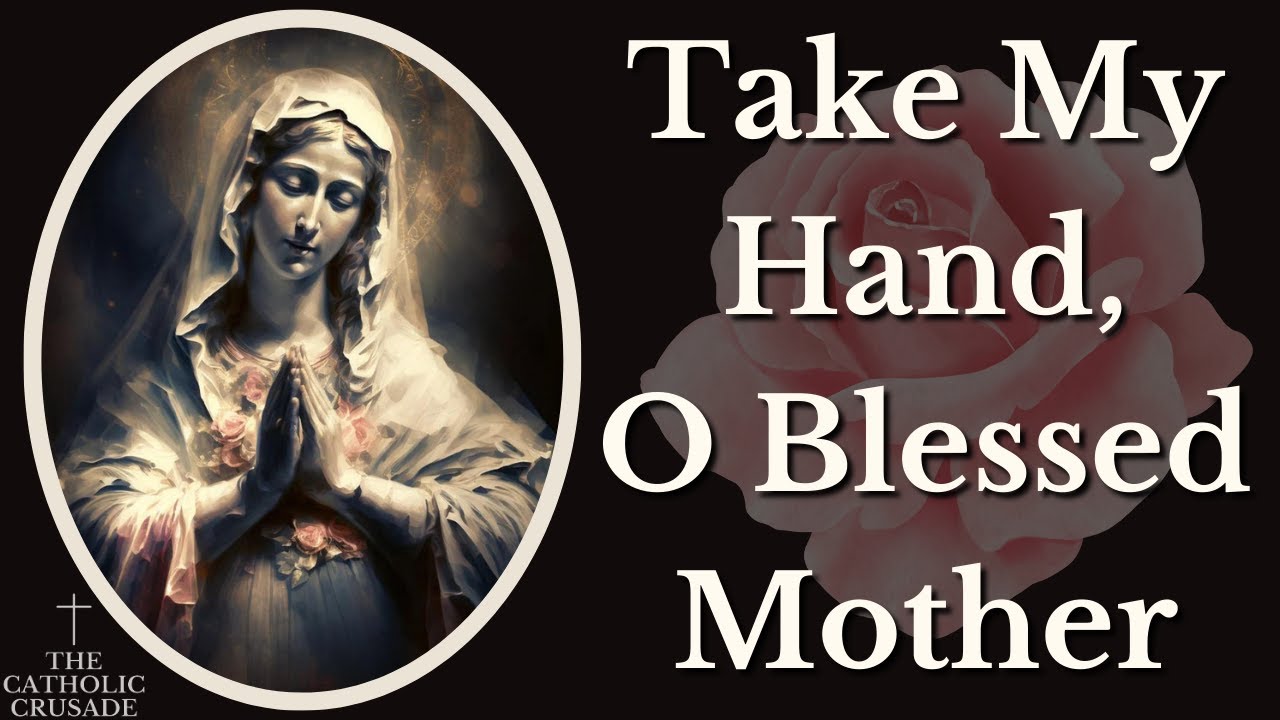
prayer to mary our mother
For many Christians, prayer to mary our mother is a calm, steady way of drawing closer to Christ through the loving intercession of his mother. Whether you are rediscovering your faith, facing a difficult decision, or simply seeking a more reflective habit of daily prayer, turning to Mary—also called Our Lady or the Blessed Virgin Mary—can feel like asking a trusted elder to pray with you and for you. This article explains what prayer to mary our mother is, where it comes from, how to begin, and how to avoid common misconceptions, all in clear language for everyday life.
While traditions differ across Christian communities, the heart of this devotion is simple: we ask Mary to present our needs to her Son, Jesus. We honour her unique role in salvation history and look to her as a model of faithful discipleship. In exploring prayer to mary our mother, you will find tried-and-tested prayers such as the Hail Mary and the Rosary, as well as guidance to express your own words with confidence and peace.
What is prayer to mary our mother?
In essence, prayer to mary our mother is intercessory prayer. Just as we might ask a friend to pray for us, Christians ask Mary to pray to God on their behalf. This is not worship of Mary, which belongs to God alone. Rather, it is veneration or honour—acknowledging her unique “yes” to God and her continuing maternal care for the Church.
Christians pray this way for many reasons. Mary is seen as a compassionate mother who understands human hopes and hurts. In the Gospels she listens, ponders, and responds to God with humility. Seeking her intercession can help us to slow down, reflect, and trust more deeply in Christ. For a balanced overview of who Mary is in Christian belief and devotion, you can explore the encyclopaedic summary of the Blessed Virgin Mary, which outlines biblical and historical foundations of Marian honour.


Biblical and historical roots of devotion to Mary
Although the phrase “prayer to mary our mother” is not found word-for-word in Scripture, the roots of Marian devotion are thoroughly biblical. The angel Gabriel greets Mary as “full of grace” (Luke 1:28). Elizabeth, filled with the Holy Spirit, calls her “blessed among women” (Luke 1:42). Mary’s Magnificat (Luke 1:46–55) proclaims, “all generations will call me blessed”, anticipating the enduring honour Christians give her. At the wedding in Cana (John 2:1–11), Mary notices a need and points to Jesus—“Do whatever he tells you”—a pattern for our prayer today. At the Cross, Jesus entrusts the beloved disciple to Mary and Mary to the disciple (John 19:26–27), a moment understood by many Christians as signifying her spiritual motherhood of all believers.
In early Christianity, believers revered Mary as Theotokos (“God-bearer”), a title affirmed by the Council of Ephesus (AD 431) to safeguard the truth that Jesus is truly God and truly man. This reverence developed into formal prayers, hymns, and feasts. Over centuries, prayer to mary our mother has grown organically within the life of the Church as a way of contemplating Christ with the one who knew him best. For theological grounding on Mary’s place in Christian life, see the Catechism’s section on Mary’s motherhood in the order of grace at the Vatican website: Catechism of the Catholic Church: “Mary, Mother of Christ, Mother of the Church” (CCC 963–975).
Why Christians pray this way: purpose and benefits
Devotionally, prayer to mary our mother offers several benefits:
- Companionship in prayer: Many find it easier to speak about worries, grief, or hopes to Mary and then entrust those requests to her Son.
- Focus on Christ: Authentic Marian prayer always leads to Jesus—Mary’s counsel at Cana captures this: “Do whatever he tells you.”
- Holiness through imitation: Mary’s humility, courage, and fidelity offer a pattern for our own discipleship.
- Peace and perseverance: Repetitive forms like the Rosary create a rhythmic, meditative space that calms the mind and strengthens resolve.
- Community and continuity: Praying with Mary connects us to a living tradition shared by millions across centuries and cultures.
Common forms of prayer to mary our mother
There is no single “right way” to practise prayer to mary our mother. Choose forms that fit your schedule, temperament, and needs.
The Hail Mary
This well-known prayer weaves together Gabriel’s greeting and Elizabeth’s blessing, followed by a simple petition: “Holy Mary, Mother of God, pray for us sinners, now and at the hour of our death.” It is a concise, theologically rich expression of prayer to mary our mother in daily life.
The Rosary
The Rosary is a meditative cycle of prayers—Our Father, Hail Marys, Glory Be—arranged around “mysteries” from the lives of Jesus and Mary (Joyful, Luminous, Sorrowful, Glorious). By quietly repeating familiar words, the mind rests and the heart contemplates the Gospel. For a step-by-step guide, see the USCCB’s concise instructions on how to pray the Rosary, and for background and variants, consult the detailed overview of the Rosary.
The Memorare
Beginning “Remember, O most gracious Virgin Mary,” the Memorare is a short plea expressing confidence that none who implore Mary’s help are left unaided. It is ideal when you need to pray quickly but earnestly.
The Angelus and Regina Caeli
The Angelus is a brief devotion traditionally prayed morning, noon, and evening to recall the Incarnation. During Eastertide it is replaced by the Regina Caeli, a joyful hymn honouring Mary and celebrating the Resurrection.
The Litany of Loreto and other litanies
Litanies are responsive prayers listing Mary’s titles—Seat of Wisdom, Health of the Sick, Refuge of Sinners—each followed by “pray for us”. They are powerful in communal settings or when focusing on a particular need.
How to begin a personal prayer to mary our mother
You do not need special knowledge to start prayer to mary our mother. These simple steps can help:
- Set a time and place: A quiet corner, a candle, or a brief walk can set a prayerful tone.
- Begin with intention: Tell God—and Mary—what you are seeking: guidance, comfort, thanksgiving, or strength.
- Use familiar words: Start with a Hail Mary or Memorare, then add your own words in plain language.
- Ask for intercession: Explicitly invite Mary to pray for you to her Son.
- Listen and conclude: Sit in silence for a moment. End with gratitude and a simple Amen.
A short example: “Mary, my mother, I am anxious about my family. Please pray for me, that I may act with patience and courage. Lead me closer to Jesus. Amen.” As this shows, prayer to mary our mother can be brief, sincere, and entirely personal.
Crafting your own words: templates and examples
Here are two adaptable templates you might use when shaping your own prayer to mary our mother. Personalise the words to reflect your situation.
When seeking guidance
“Mary, Mother of God and my mother, you listened to God’s voice with trust. I am unsure about [name the decision or situation]. Please pray that I receive light to choose wisely, and strength to follow God’s will. Help me to say ‘yes’ with faith. Lead me to your Son. Amen.”
In times of stress or sorrow
“Mary, dear mother, I feel overwhelmed by [name the burden]. Be close to me in this hour. Bring my needs before Jesus, that I may find comfort, perseverance, and hope. Stay with me, teach me to be gentle, and help me to trust God’s love. Amen.”
Practical tips, etiquette, and common mistakes in prayer to mary our mother
- Keep Christ at the centre: Authentic devotion always points to Jesus. Mary’s role is to lead us to him.
- Avoid treating prayer as a transaction: Prayer to mary our mother is not magic. It is a relationship of faith, patience, and trust in God’s timing.
- Venerate, do not worship: Worship (adoration) belongs to God alone. Mary is honoured as the foremost disciple and mother of believers.
- Use Scripture: Let passages like Luke 1 and John 2 shape your words and provide focus.
- Be consistent, not scrupulous: Better a few sincere minutes daily than ambitious plans that soon collapse.
- Unite prayer with action: If you ask Mary’s help for someone in need, also consider a concrete act of support.
- Keep learning: For solid teaching and clarity, the Vatican’s Catechism section on Mary is especially helpful: Mary’s maternal mediation in the Catechism.
prayer to mary our mother in different Christian traditions
Roman Catholics embrace a rich Marian devotion with formal prayers, feasts, and doctrinal clarity about Mary’s role leading to Christ. Many Anglicans and some Lutherans maintain Marian feasts and use selected prayers. The Christian East has its own profound Marian hymnody and icons, honouring Mary as Theotokos and celebrating her role in the mystery of salvation; for context on worship and theology in the Christian East, see this overview of the Eastern Orthodox Church. Some Protestant communities are more reserved, emphasising direct prayer to God alone. Where differences arise, it helps to remember that the point of prayer to mary our mother is always Christward—asking Mary’s intercession so that we may follow her Son more faithfully.
Who we ask to pray for us: saints, angels, and family in heaven
When Christians practise prayer to mary our mother, they often also ask saints and angels to intercede. This reflects the belief that the Church is one family across heaven and earth. The highest honour is given to God, yet we gladly receive help from those who already behold God face-to-face. If you are curious about angelic intercession more generally, you might explore who is Michael the Archangel as a starting point for understanding how Christians speak about angels and prayer.
When and where to pray: making prayer to mary our mother part of daily life
You can pray at home before a simple image of Our Lady, on your commute, during a lunchtime walk, in a chapel, or as you wind down at night. If you like regularity, try the Angelus at noon or a decade of the Rosary before bed. If you prefer spontaneity, whisper a Hail Mary when you feel anxious, grateful, or in need of patience. Over time, these short moments of prayer to mary our mother weave a quiet thread of hope through the day.
Integrating prayer to mary our mother with life events
Many people turn to Mary at significant milestones: engagements and weddings, pregnancy and childbirth, new jobs, examinations, illness, grief, and anniversaries. Her maternal care is a comforting presence through seasons of change. For example, an expectant mother might ask for courage and a safe delivery; a student might ask for focus and peace before exams; a carer might ask for patience and resilience. In each case, prayer to mary our mother complements your direct prayer to God and keeps your heart close to the Gospel.
How the Rosary deepens the Gospel in daily life
One of the best-loved ways to practise prayer to mary our mother is the Rosary, because it leads us step by step through Christ’s life. The Joyful Mysteries highlight the wonder of the Incarnation; the Luminous recall Jesus’ public ministry; the Sorrowful centre us in the Passion; the Glorious lift our eyes to the Resurrection and the outpouring of the Spirit. Taken together, these mysteries form a compact spiritual map. If you are new to this devotion, it can help to begin with a single decade focused on one mystery rather than attempting the entire cycle at once.
Recommended external resources
- Catechism of the Catholic Church on Mary, Mother of Christ and of the Church – theological teaching on Mary’s role and intercession.
- USCCB: How to Pray the Rosary – practical, step-by-step guidance.
- Rosary (Wikipedia) – background, history, and variations in practice.
- Blessed Virgin Mary (Wikipedia) – biography, titles, and historical devotion.
Frequently asked questions about prayer to mary our mother
Is prayer to mary our mother the same as worship?
No. Christians distinguish clearly between worship (adoration) due to God alone and the honour (veneration) given to Mary and the saints. Prayer to mary our mother asks for her intercession, much like asking a trusted friend to pray for you, always with the aim of drawing closer to Christ.
Can non-Catholics use Marian prayers?
Yes. Many non-Catholic Christians appreciate the biblical beauty of the Hail Mary and the reflective pace of the Rosary. If your community is cautious about such practices, you can still adapt the spirit of prayer to mary our mother by asking Mary in your own words to pray for you, keeping Jesus at the centre.
How do I keep my devotion Christ-centred?
Intentionally connect your intentions to episodes in Jesus’ life—especially when using the Rosary. End your prayer by speaking directly to Christ in thanksgiving. Remember that authentic prayer to mary our mother always echoes Mary’s own desire: that we “do whatever he tells” us.
What if I struggle with repetition in the Rosary?
Use a slower pace and focus on one decade. Let each Hail Mary be like steady breathing. If your mind wanders, gently return to the mystery. Over time, repetition in prayer to mary our mother can become a restful backdrop for deep contemplation.
Is there a “best time” for this kind of prayer?
Any time that you can be present and sincere
