Prayer to the immaculate virgin mary: a complete, essential guide
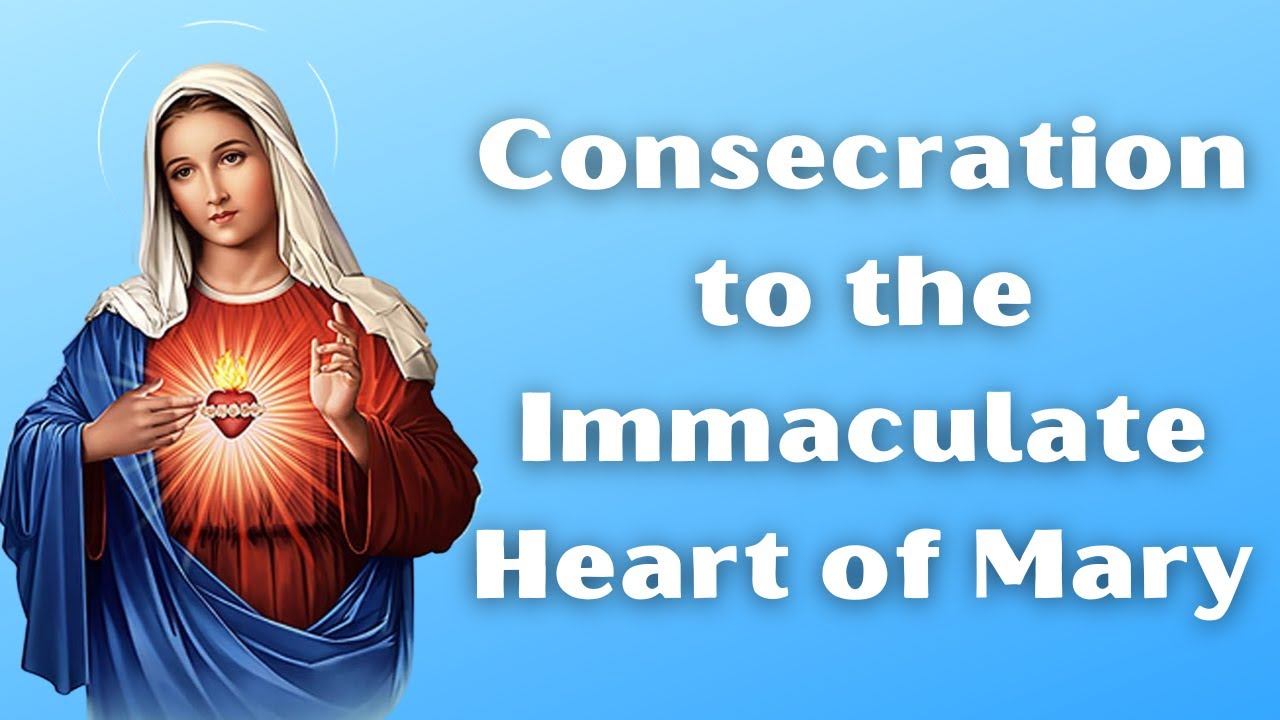
prayer to the immaculate virgin mary
For many Christians, prayer to the immaculate virgin mary is a simple, steady way to draw closer to Jesus through the loving help of His mother. Whether you are new to Marian devotion or returning to it after a long time away, you will find that this tradition invites peace, hope, and practical guidance. In this guide, we will unpack what prayer to the immaculate virgin mary is, why it matters, and how you can make it part of everyday life in a way that feels honest and meaningful.
We will look at the biblical and theological background, explore classic and modern forms of Marian prayer, provide step-by-step suggestions, and highlight common mistakes to avoid. Along the way, you will find examples, tips, and carefully chosen resources to deepen your practice. By the end, you should feel confident to begin or renew prayer to the immaculate virgin mary with clarity and heartfelt trust.
What is prayer to the immaculate virgin mary?
At its heart, prayer to the immaculate virgin mary is a request for the mother of Jesus—honoured for her unique role in salvation history and her immaculate purity—to pray for us and help us grow closer to her Son. Christians who practise Marian devotion believe that Mary, as a loving intercessor, brings our needs to God, much as a trusted friend might carry our concerns to someone who can help.
The phrase “Immaculate” points to the belief, particularly held by Roman Catholics, that Mary was preserved from original sin from the first moment of her conception. This belief is known as the Immaculate Conception and is linked to Mary’s vocation as the mother of the Saviour. If you would like the official doctrinal overview, the Catechism of the Catholic Church offers a clear summary in paragraphs 490–493: Catechism on the Immaculate Conception. For historical background, see the encyclopaedic treatment in the Catholic tradition: The Immaculate Conception in the Catholic Encyclopedia.
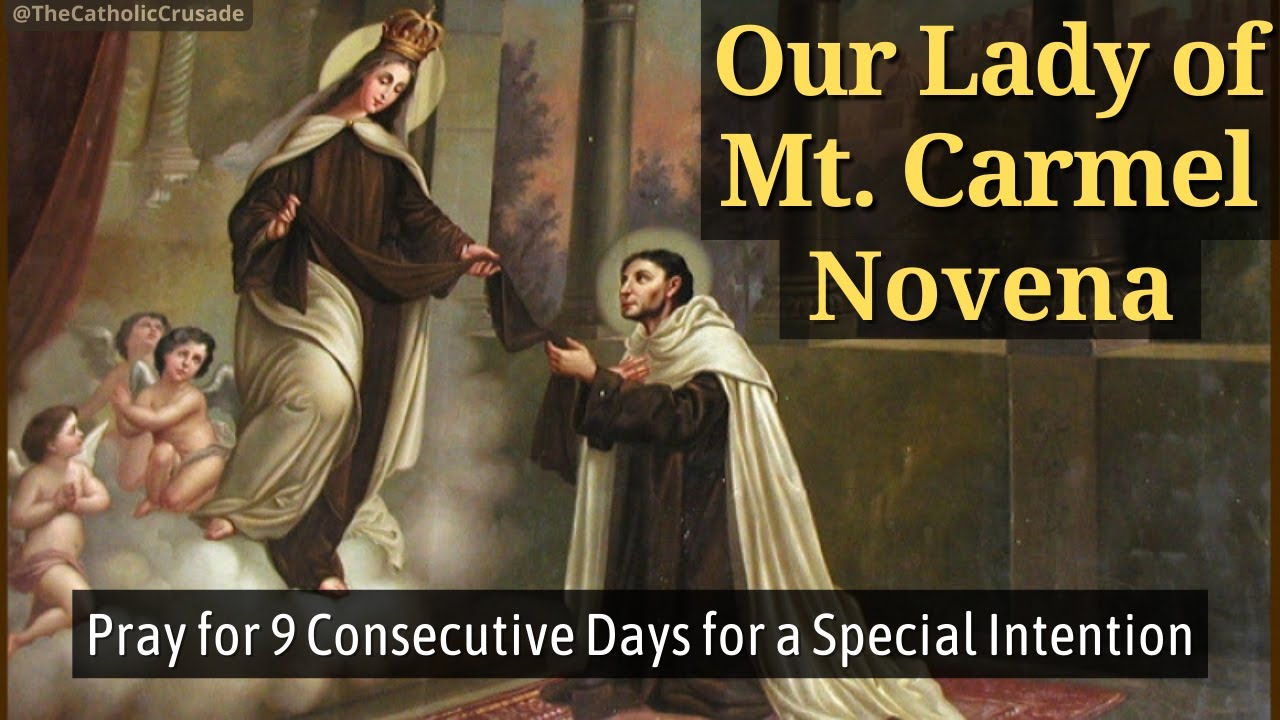

Origins and meaning of the Immaculate Conception
While the term “Immaculate Conception” was formally defined by Pope Pius IX in 1854, the underlying intuition is far older: God prepared Mary in a special way to be the mother of Jesus. Christians have long seen hints of this in Scripture, including the angel’s greeting to Mary as “full of grace” (Luke 1:28) and the promise of a woman whose offspring would crush the serpent (Genesis 3:15). Prayer to the immaculate virgin mary, then, is not a diversion from Christ, but a path towards Him, recognising Mary’s unique closeness to the Lord.
Just as people ask faithful friends to pray for them, many Christians ask Mary to intercede. In this sense, Marian devotion is communal, not competitive: we do not worship Mary (worship is due to God alone), but we honour her and invite her prayers.
How to begin: a simple shape for prayer to the immaculate virgin mary
You can start small. If you are not familiar with Marian prayers, begin with two or three minutes each day. A straightforward practice could look like this:
- Find a quiet space and begin with the Sign of the Cross (if that is your tradition).
- Address Mary simply: “Mary, Mother of Jesus, please pray for me as I bring these needs to God.”
- State your intentions clearly—gratitude, struggles, hopes—then pause in silence.
- Conclude with a short prayer, asking for help to love Christ more faithfully.
Over time, many people add classic devotions like the Rosary, the Angelus, a Novena, or a personal consecration. If you would like a practical introduction to the Rosary, the Catholic Bishops’ Conference of England and Wales provides a helpful guide: How to pray the Rosary. These practices can strengthen your routine while keeping the focus on Jesus.
Well-known forms of prayer to the immaculate virgin mary
The Rosary
The Rosary is a meditative prayer that reflects on key moments in the life of Christ and Mary (the Mysteries). It can be prayed alone or in groups. Many find that praying the Rosary daily or weekly stabilises their spiritual life and fosters patience, courage, and charity.
The Angelus and Regina Caeli
The Angelus (traditionally prayed morning, noon, and evening) recalls the Incarnation. In the Easter season, it is replaced by the Regina Caeli, which celebrates the Resurrection. Both are short, focused, and easy to integrate into a busy day.
Novenas and feast days
A Novena is nine days of prayer for a particular intention. Many people pray a novena leading up to the Solemnity of the Immaculate Conception on 8 December. Incorporating the Church’s calendar helps connect your personal prayer to the wider Christian community.
Personal consecration
Consecration to Mary is a personal commitment to follow Jesus more closely with Mary’s help. It is not a vow but a heartfelt resolve to accept Mary’s maternal guidance. Several guides exist; choose one that is Christ-centred, scriptural, and pastorally sound.
Biblical and theological foundations for prayer to the immaculate virgin mary
Scripture shows Mary at the heart of salvation history: she freely consents to God’s plan (Luke 1:38), treasures events in her heart (Luke 2:19), and stands at the foot of the Cross (John 19:25–27). Christians have long understood Jesus’ words from the Cross—“Behold your mother”—as an invitation to welcome Mary into the household of faith. While the Bible does not command prayer to the immaculate virgin mary, it richly supports honouring Mary and asking fellow members of Christ’s Body to pray for one another (1 Timothy 2:1; James 5:16).
Theologically, Marian intercession is rooted in Christ’s unique mediation. Because Jesus is the one mediator between God and humanity, any prayer to the immaculate virgin mary is always subordinate and directed to God through Christ. This perspective keeps Marian devotion balanced, biblical, and fruitful.
When and why people turn to prayer to the immaculate virgin mary
- For purity of heart and clarity of purpose when facing moral or vocational decisions.
- For protection and courage in times of fear, illness, or difficulty.
- For the healing of relationships, families, and communities.
- For growth in humility, patience, and trust in God’s plan.
- During Advent and on 8 December (the Immaculate Conception), and on personal anniversaries.
In all these cases, prayer to the immaculate virgin mary helps us align our will to God’s, asking Mary to teach us how to say, with her, “Let it be done to me according to your word.”
Key principles for a fruitful prayer to the immaculate virgin mary
- Christ-centred: Let Mary lead you to Jesus. Keep Scripture and the sacraments (in traditions that practise them) at the core.
- Sincere and simple: Use your own words. Formal prayers are helpful, but heartfelt honesty is essential.
- Regular and realistic: Start small. A few faithful minutes daily are better than a long, irregular effort.
- Scripture-informed: Ground your devotion in the Gospels. Read Luke 1–2 slowly and often.
- Community-supported: Join a parish group or a trusted online community for encouragement and accountability.
- Balanced and informed: Learn the difference between veneration (honour given to saints) and worship (owed to God alone).
Common mistakes to avoid in prayer to the immaculate virgin mary
- Confusing honour with worship: Mary is not a goddess. She is a creature of God, honoured because of her unique role in salvation.
- Using prayer as superstition: Avoid treating prayers as “magic formulas.” Focus on relationship, not techniques.
- Neglecting Scripture: Marian devotion is healthiest when nourished by the Bible and sound teaching.
- Overcomplicating routines: If you are discouraged or overwhelmed, simplify. Return to one short, sincere daily prayer.
- Forgetting gratitude: Include thanksgiving as well as petitions. Gratitude keeps prayer balanced and joyful.
A short daily format: prayer to the immaculate virgin mary in practice
Try this gentle structure for five to ten minutes each day:
- Begin: “In the name of the Father, and of the Son, and of the Holy Spirit.”
- Be still: Breathe slowly for 30 seconds and ask for the Holy Spirit’s help.
- Speak plainly: “Mary, Immaculate Mother, please pray with me as I entrust these concerns to God.”
- Share three things: something you are grateful for, something you regret, and something you hope for.
- Conclude with trust: “Immaculate Virgin Mary, lead me to love Jesus more today. Amen.”
Example: a simple, original prayer to the Immaculate Virgin Mary
“Immaculate Virgin Mary, mother of Jesus and mother to us all, teach my heart to listen as you listened, to trust as you trusted, and to love as you loved. Please carry my needs to your Son: [name your intentions]. Help me to choose what is good, to seek what is true, and to rest in God’s mercy. Keep me close to Christ in times of doubt and in moments of joy, now and always. Amen.”
Marian devotion across Christian traditions
Marian prayer is most developed in the Catholic Church, where doctrines like the Immaculate Conception support the intuition that God prepared Mary uniquely for her mission. The Eastern Orthodox also deeply honour Mary (Theotokos, “God-bearer”), though they approach specific doctrines differently. For a helpful overview of this tradition, see a guide to the Eastern Orthodox Church. Many Anglicans and some Lutherans include Marian feasts and prayers, while other communities may prefer to keep devotions focused on direct prayer to God alone. A respectful, well-informed perspective helps us appreciate the breadth of Christian practice.
Christians who honour saints and angels sometimes pair prayer to the immaculate virgin mary with other intercessions. For example, learning about St Michael the Archangel can complement Marian devotion by encouraging courage and spiritual vigilance—both virtues Mary models perfectly.
Helpful schedules and seasonal ideas
- Daily: A short morning prayer to Mary, plus one decade of the Rosary while walking or commuting.
- Weekly: A full Rosary on Saturdays (traditionally dedicated to Our Lady).
- Monthly: A time of confession and renewal of trust in God (if your tradition practises sacramental confession), asking Mary’s help to begin again.
- Seasonal: In Advent, focus on the Joyful Mysteries; in Lent, the Sorrowful Mysteries; at Easter, the Glorious Mysteries.
- Feasts: Mark 8 December (Immaculate Conception) with Mass (if applicable), a Rosary, and a concrete act of charity.
What you can expect from steady prayer to the immaculate virgin mary
- Deeper love for Christ: Mary always points to her Son.
- Gentle growth in virtue: patience, humility, purity of intention.
- Increased hope and perseverance: a steady, motherly reminder that God is at work even when you cannot see it.
- Better integration of prayer and daily life: short, regular devotions that fit real schedules.
Remember that growth is gradual. If you do not “feel” anything at first, do not worry. Prayer to the immaculate virgin mary is less about emotion and more about faithful turning towards God with Mary’s help.
Recommended external resources
- Catechism of the Catholic Church on the Immaculate Conception — clear official teaching with scriptural and theological notes.
- Catholic Bishops’ Conference of England and Wales: How to pray the Rosary — a practical, UK-based introduction.
- Wikipedia: Immaculate Conception — broad overview with links to historical debates and references.
Related articles
Frequently asked questions about prayer to the immaculate virgin mary
Is prayer to the immaculate virgin mary the same as worship?
No. Christians who practise Marian devotion make a careful distinction. Worship (adoration) belongs to God alone. Prayer to the immaculate virgin mary is a form of honour and intercession—asking a holy person who is alive in Christ to pray for us and help us follow Jesus more closely.
Do I need to know special prayers to begin?
Not at all. You can start with your own words. Over time, you may wish to learn traditional prayers like the Hail Mary or the Memorare, or to pray the Rosary. But the essence of prayer to the immaculate virgin mary is simple, sincere conversation with God, with Mary’s supportive presence and intercession.
What if I struggle to focus or feel distracted?
This is common. Keep your prayer short and consistent. Try a physical cue—lighting a candle, holding a rosary, or sitting in the same place each day. Gently return to your intention whenever your mind wanders. Prayer to the immaculate virgin mary matures through patient repetition.
Is there a best time of day for Marian prayer?
Choose what fits your life: morning anchors the day; midday can re-centre you; evening helps you review the day with gratitude. Many find that linking prayer to existing habits—after breakfast or before bed—keeps prayer to the immaculate virgin mary steady and sustainable.
Can non-Catholic Christians pray to Mary?
Some do, some prefer to pray directly to God. If you are curious, you might begin with a simple request: “Mary, please pray for me as I seek to follow Jesus.” Keep your practice consistent with your church’s teaching and your conscience. Charity and honesty are essential in all approaches to prayer.
How can I tell if my devotion is balanced?
Healthy devotion leads you to Scripture, the sacraments (if you practise them), love of neighbour, and a deeper friendship with Christ. If prayer to the immaculate virgin mary distracts you from God, simplify it, seek counsel from a trusted pastor, and keep Christ at the centre.
What should I do on the feast of the Immaculate Conception?
Consider attending church (if that is your tradition), praying the Rosary, reading Luke 1, and doing a specific act of charity. Marking the day with gratitude and service keeps prayer to the immaculate virgin mary practical and outward-looking.
Conclusion on prayer to the immaculate virgin mary
At its best, prayer to the immaculate virgin mary is a quiet, steady way of living closer to Jesus. Through her motherly intercession, Christians find courage in trials, clarity in decision-making, and a renewed desire to seek what is true, good, and beautiful. This devotion is not about complicated rituals; it is about trust, humility, and patient attention to God’s work in daily life.
Begin simply: a few honest words, a moment of silence, and a practical intention to love more faithfully. If you wish, add the Rosary or a short set prayer as your routine strengthens. Keep your heart Christ-centred and your practice regular.
Over time, prayer to the immaculate virgin mary can help you notice grace at work—often quietly, sometimes surprisingly—guiding you to deeper discipleship. With Mary’s help, may your prayer become a path of hope, a school of charity, and a daily “yes” to God.
